
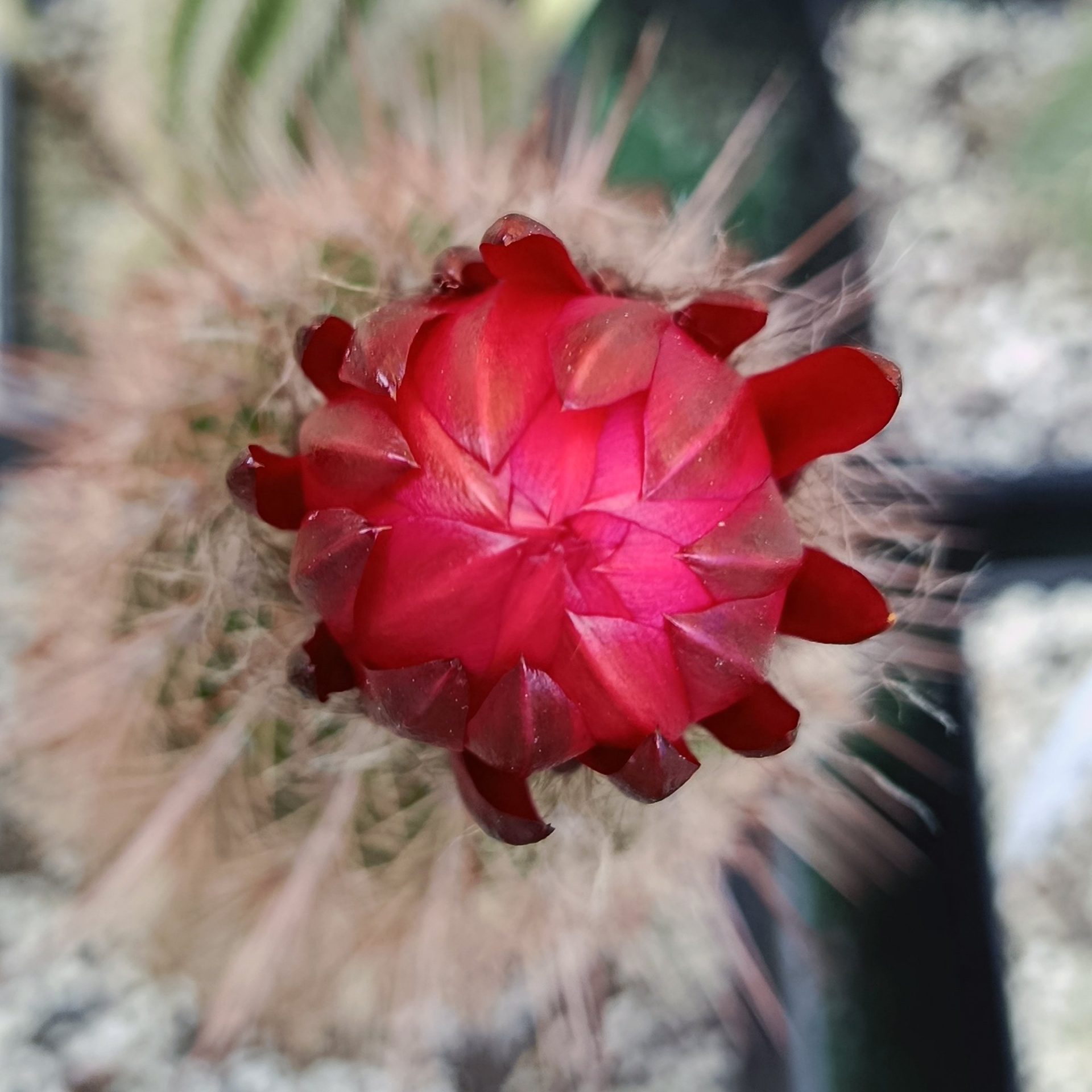
Trichocereus vatteri hybrid cv. ‘KY 1410’ | Live plant
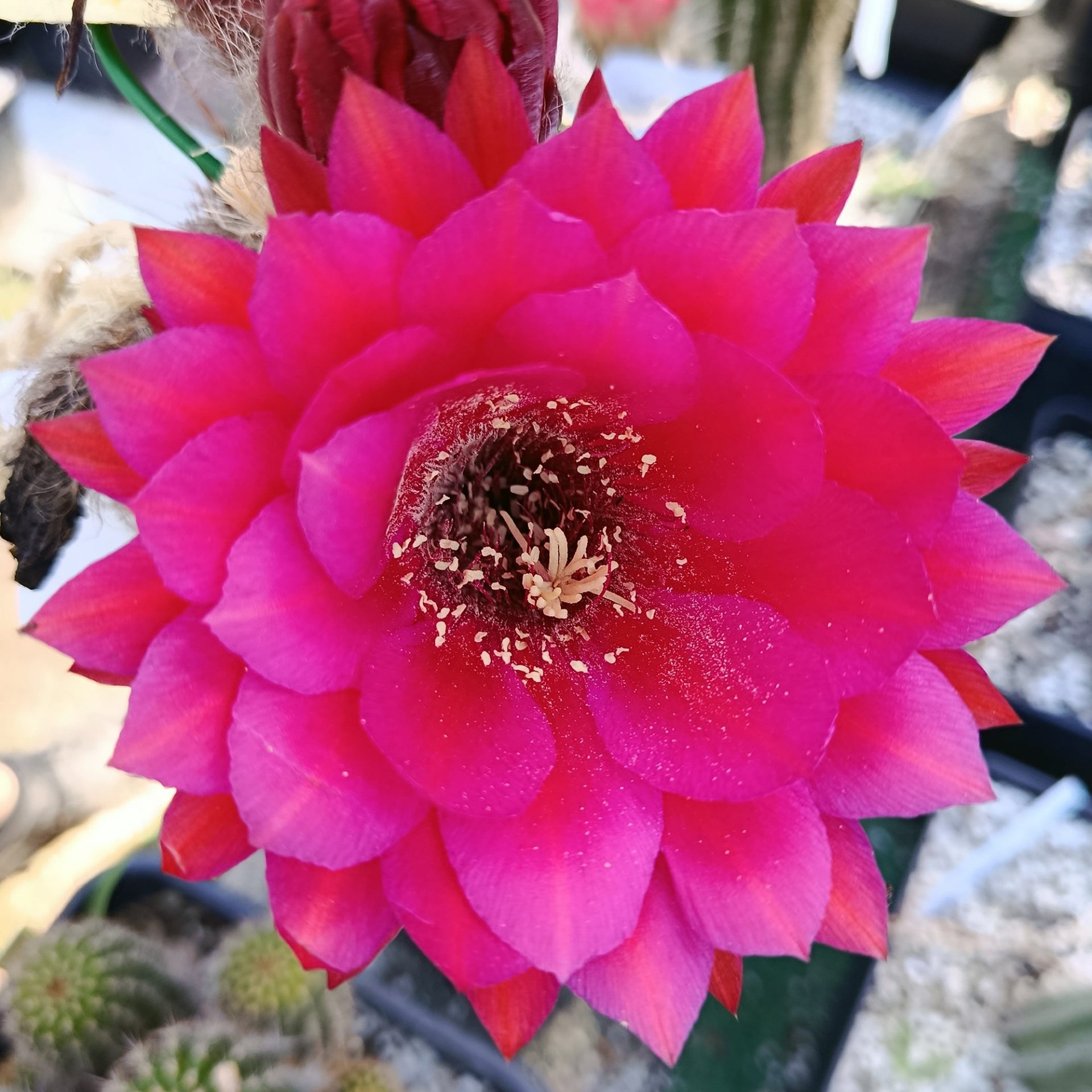
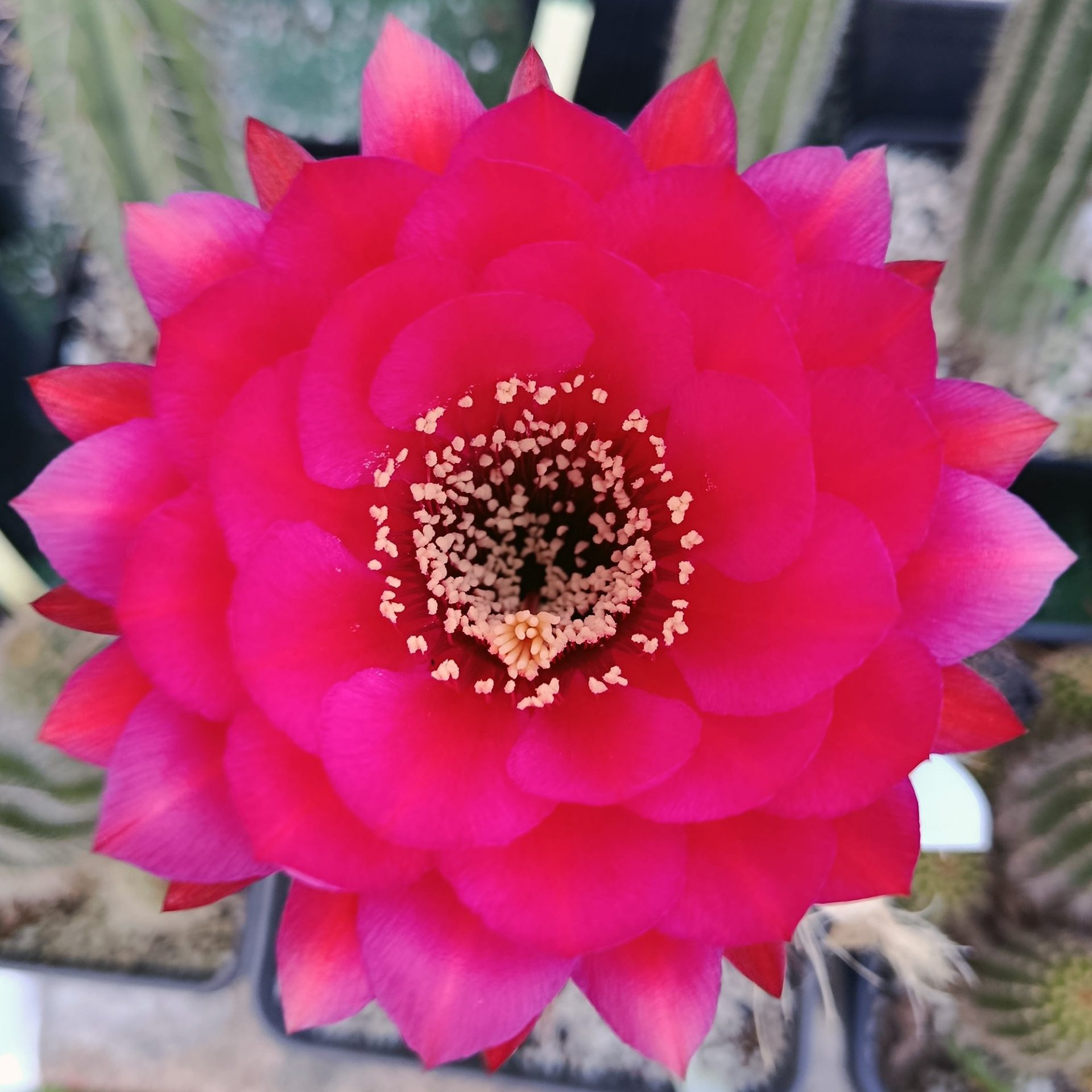
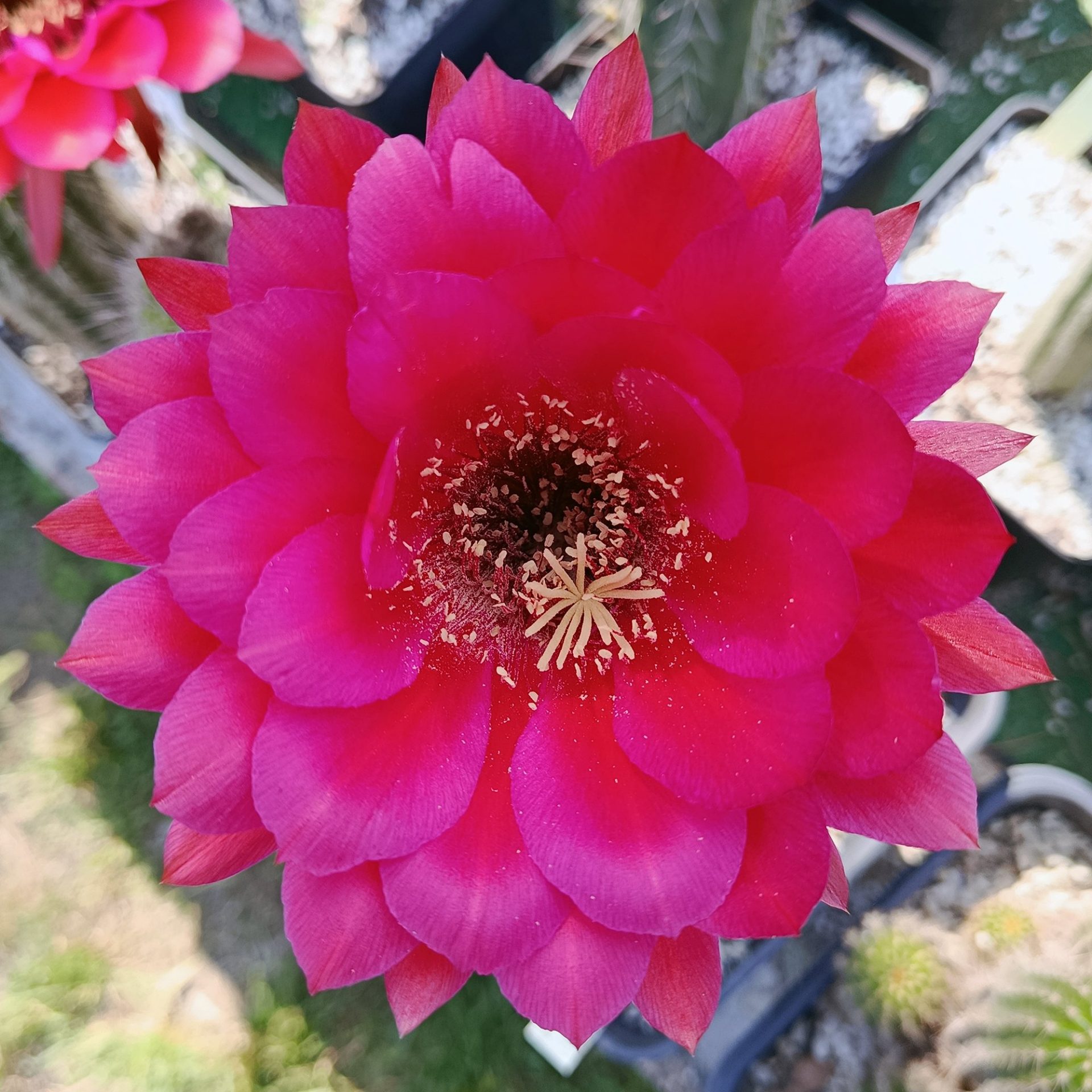
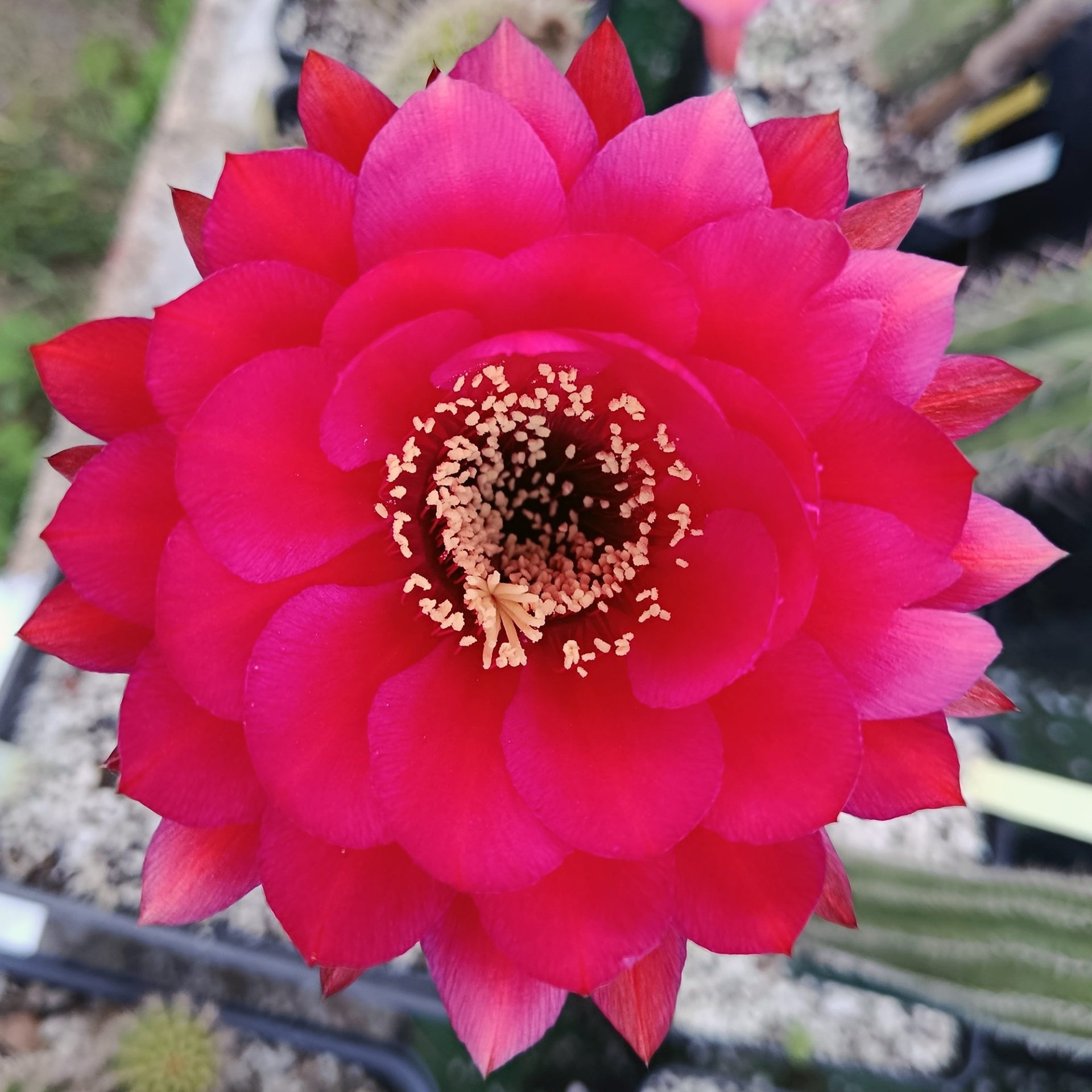
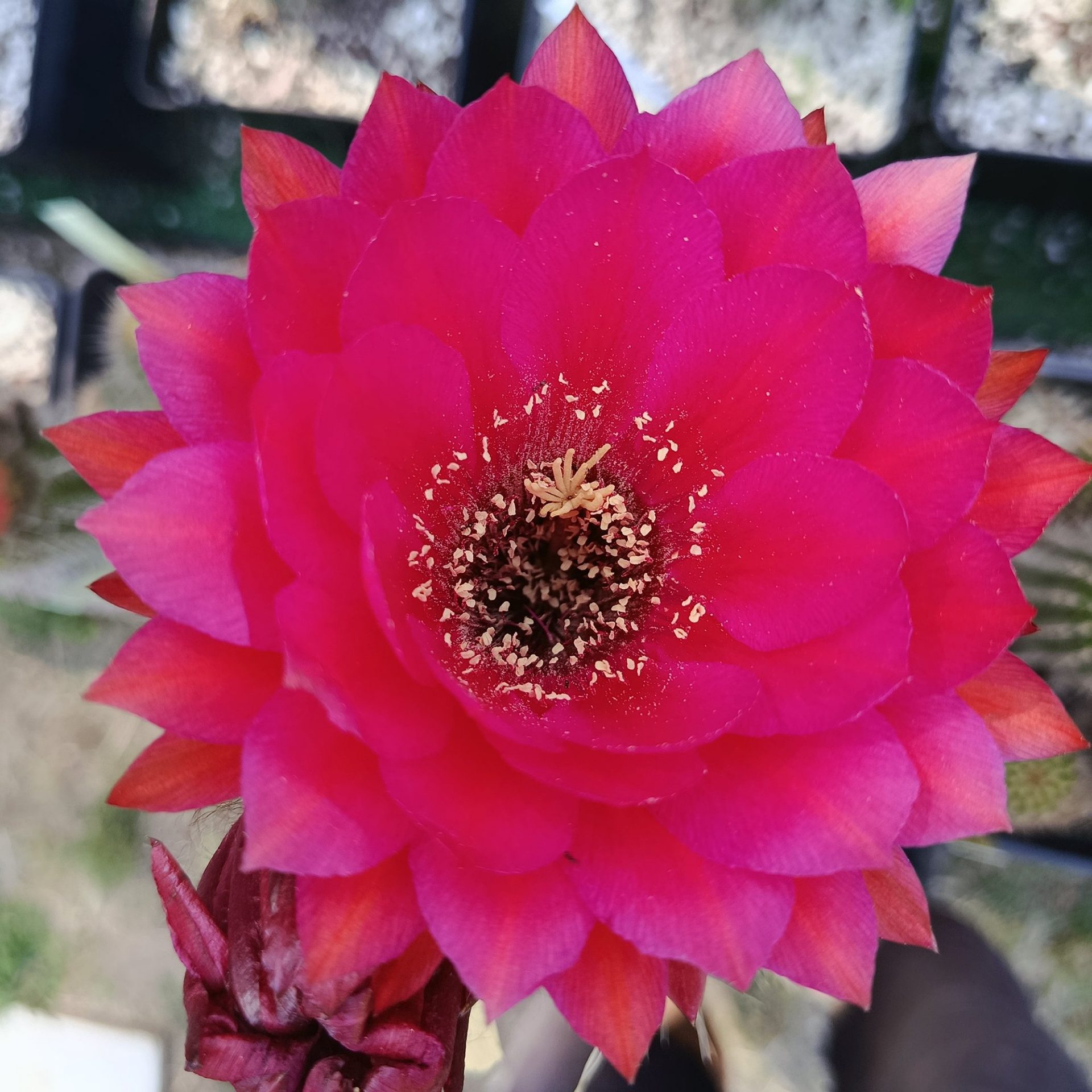
Trichocereus vatteri hybrid cv. ‘KY 1410’ is a distinctive German-sourced flowering clone, also recorded in our collection as ‘KY1410 Wien’. Its spectacular, densely layered blooms combine vivid magenta-pink, crimson and purplish tones, surrounding a dark centre with contrasting pale stamens. We have maintained and propagated this selection from our original mother plant, which has also become a parent in our Freaky Cacti hybridisation programme. Live plant.
Currently unavailable.
Product Features
Trichocereus vatteri hybrid cv. ‘KY 1410’ is a particularly attractive flowering cactus that we originally obtained from a German grower. Also known in our collection as ‘KY1410 Wien’, this selection produces remarkable, densely layered flowers in saturated magenta-pink, crimson and purplish-red, with a contrasting dark centre and pale stamens.
We have maintained the original mother plant at Freaky Cacti for several years and now propagate it vegetatively, preserving the genetics of this established flowering selection. Its flowers have impressed us sufficiently that we have also begun using it in our own hybridisation work, combining its distinctive colouring with several other ornamental cactus lines.
Flowers & appearance
The flowers are undoubtedly the main attraction. The numerous overlapping petals develop into a beautifully layered, broadly open bloom, with vivid pink and magenta tones that can appear almost luminous in strong light. Richer crimson and reddish-purple colouring is particularly evident towards the deeper portions of the flower, while the petal tips and outer segments can display noticeably cooler pink tones.
At the centre, a dense arrangement of pale cream to yellowish stamens surrounds a darker reddish throat. The contrast is particularly striking against the saturated petals, giving the entire flower considerable depth rather than a uniform wash of colour.
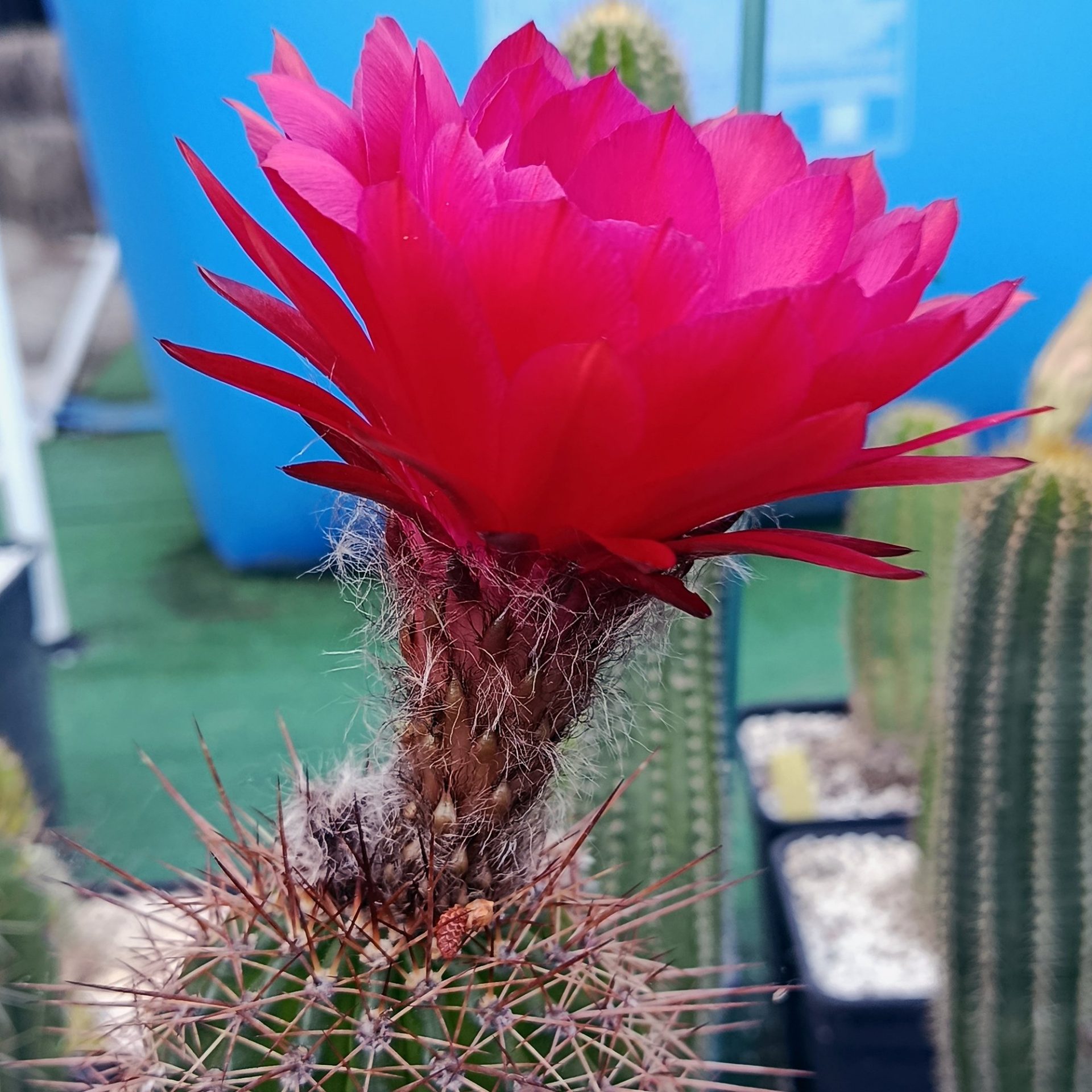
The flower changes subtly as it opens. Its pointed outer segments initially form a tightly overlapping arrangement before spreading into a broad, multi-layered display. Depending on the light and stage of opening, the overall colour can shift between hot pink, deep magenta and crimson-red, occasionally with an almost iridescent appearance.
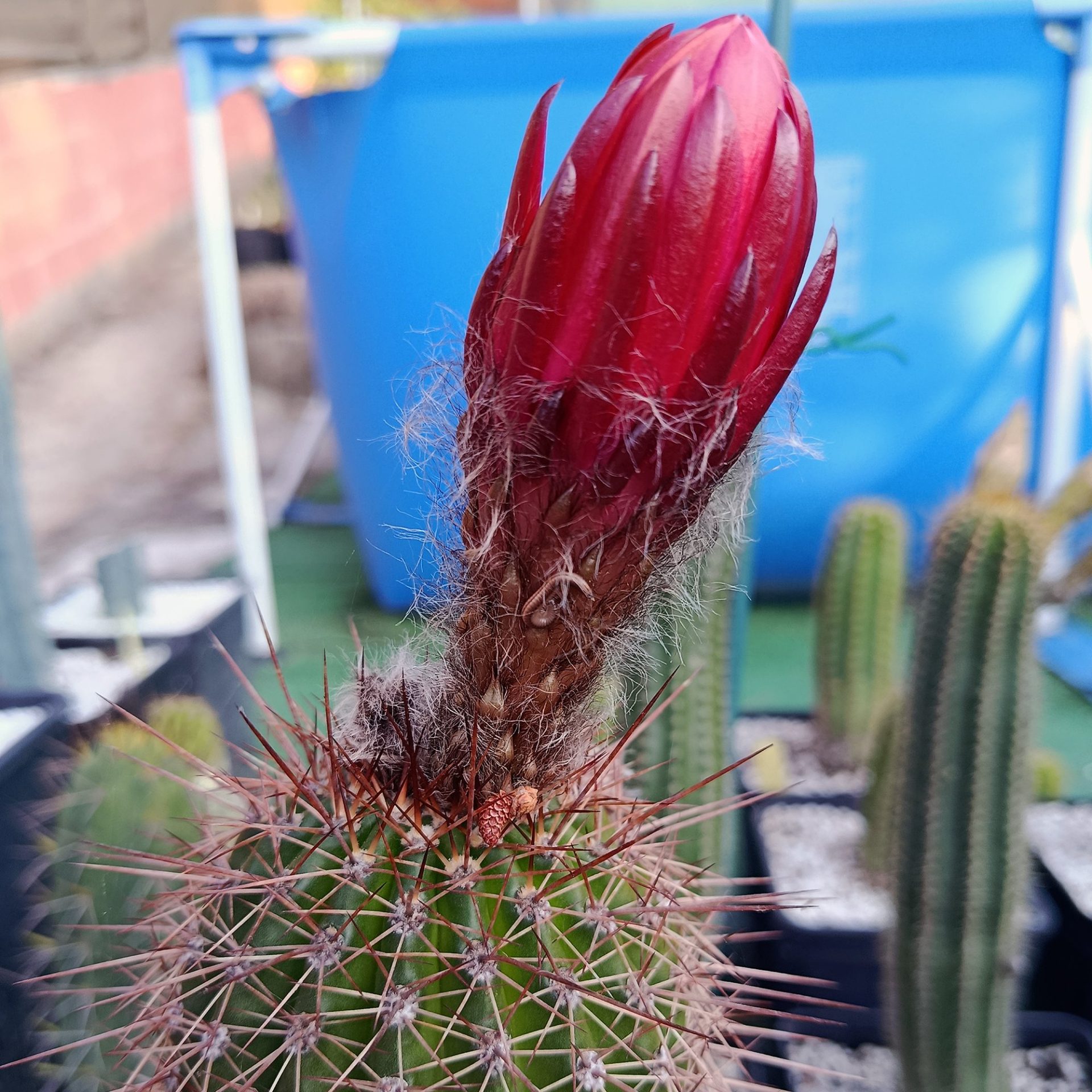
The developing buds are attractive in their own right, emerging from conspicuously hairy floral tubes and showing deep wine-red outer segments. As the flower approaches opening, these dark red segments gradually separate to reveal the more intensely pink colouring within.
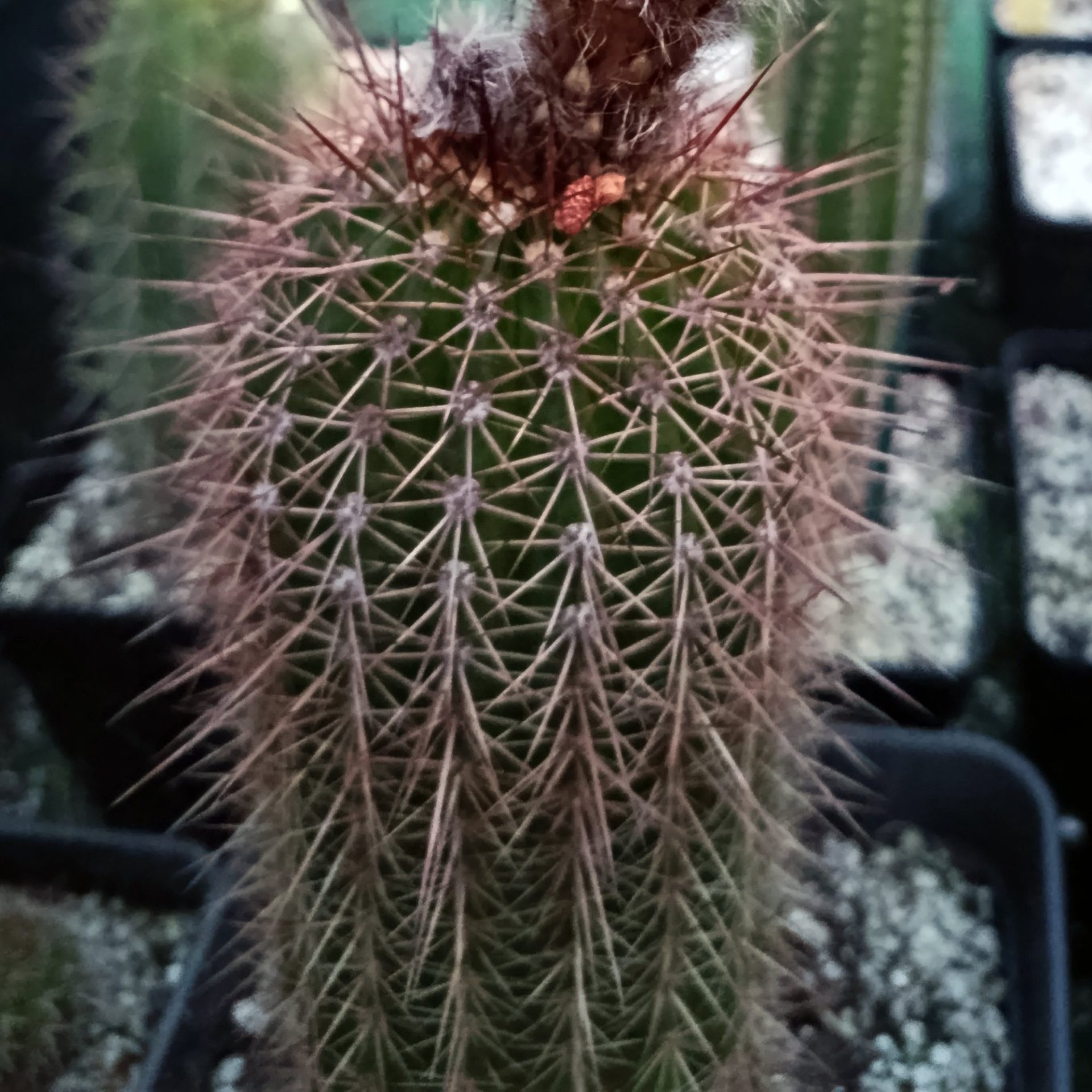
The vegetative growth provides an interesting contrast. ‘KY 1410’ develops upright green stems with numerous well-defined ribs, closely spaced areoles and relatively dense, slender spination. The spines range from pale ivory and tan to reddish-brown, with darker colouring particularly noticeable around the growing apex.
Although we maintain several colourful-flowered Trichocereus hybrids, the combination of tightly layered petals, saturated magenta tones and contrasting central structures makes this one particularly recognisable.
Origins & clonal provenance
We received this selection from a German grower under the horticultural designation ‘KY1410 Wien’. It has since been maintained in our collection as a distinct clonal line.
The original breeder and precise parentage have not been established. Although the plant has circulated as a Trichocereus vatteri hybrid, we cannot independently confirm the identity of its original parents or the meaning of the ‘KY1410’ designation.
We retain the established horticultural identity rather than assign an undocumented pedigree. The plants we propagate from our mother plant are genetically the same selection, unlike seed-grown descendants, which may differ considerably in flower colour, form and vegetative characteristics.
Our ‘KY1410 Wien’ collection also brings together the clone’s wider horticultural and breeding connections.
Our breeding work with KY 1410
Having observed the remarkable flowers of ‘KY 1410’ in our own collection, we have begun incorporating the clone into our Freaky Cacti breeding programme. Its intense magenta, pink and reddish colouring makes it an interesting parent for exploring new combinations of flower colour and structure.
We have already made several recorded crosses using ‘KY1410 Wien’ as both a seed parent and a pollen parent.
As the seed parent, we have crossed it with Trichocereus shaferi, combining its strongly coloured flowering background with a different South American Trichocereus lineage.
We have also used it with Echinopsis oxygona f. variegata, introducing a contrasting white-flowered parent whose vegetative growth also displays variegation. The offspring may develop a range of characteristics, although neither flower colour nor variegation can be guaranteed.
Another particularly interesting combination involves Mark Dimmitt’s ‘Apricot Glow’, whose warm apricot-orange flowers contrast with the saturated magenta and reddish tones of ‘KY 1410’. We have made both the ‘KY1410 Wien’ × ‘Apricot Glow’ cross and its reciprocal pairing, preserving the maternal and paternal contributions separately.
We have also used ‘KY1410 Wien’ as a pollen parent with Robert Schick’s ‘Oriole’, bringing together distinctly different flowering backgrounds.
These crosses are part of our ongoing effort to develop and document new ornamental cactus genetics. The resulting seedlings are genetically variable individuals, and their eventual flowers will need to be assessed as the plants mature. The original ‘KY 1410’ clone remains a separate, established selection whose flowering characteristics are already known from our own cultivation.
Further examples of our work can be explored in the Freaky Cacti 2026 hybridisation records.
Taxonomy & the vatteri connection
The historical name Trichocereus vatteri refers to a South American cactus described by Roberto Kiesling, associated with the coloured-flowering Trichocereus group from Argentina.
Under Kew’s current treatment, Trichocereus vatteri is included in the synonymy of Echinopsis huascha subsp. huascha. This reflects a broader taxonomic interpretation of related flowering cacti, many of which have historically moved between Trichocereus, Helianthocereus and Echinopsis.
These nomenclatural changes do not establish the exact ancestry of cultivated hybrids. In the case of ‘KY 1410’, we retain the inherited vatteri association because it preserves the name under which the clone entered horticultural circulation, without implying a verified original cross.
Cultivation
We cultivate ‘KY 1410’ under broadly similar conditions to our other ornamental Trichocereus hybrids. A freely draining cactus substrate, abundant light and good ventilation provide a suitable foundation for healthy development.
During active growth, water thoroughly and allow the growing medium to dry appropriately between waterings. Moderate feeding during the growing season supports healthy stem development and the resources needed for flowering.
Bright conditions encourage firm growth and good spine development, although plants previously grown under shade should be acclimatised gradually to stronger sunlight. Sudden exposure to intense direct sun can permanently damage the epidermis.
Reduce watering substantially as temperatures fall and growth slows. A comparatively cool, dry winter rest can be beneficial for seasonal flowering, provided plants are protected from damaging frost and prolonged cold, wet conditions.
As with other flowering cactus hybrids, the timing and abundance of blooms depend upon the plant’s maturity, health and cultivation conditions. We do not regard flowering in a particular season as guaranteed.
Further practical advice is available in our Trichocereus cultivation guide.
About Trichocereus
Trichocereus is a horticulturally important group of predominantly South American cacti, including both imposing columnar species and more compact, freely branching flowering plants. The genus has a long history in ornamental cultivation and hybridisation, with cultivated selections displaying considerable diversity in flower colour, form, spination and growth habit.
The colourful-flowered members traditionally associated with Trichocereus huascha, T. vatteri and related taxa have contributed to numerous ornamental hybrids. Their flowers encompass red, orange, yellow, pink and purple tones, frequently combined in complex patterns.
‘KY 1410’ is a particularly interesting example, not only for the rich colouring and elaborate structure of its flowers, but also for its emerging role in our own breeding programme.
Explore the wider Trichocereus collection at Freaky Cacti or consult our illustrated introduction to Trichocereus species for further botanical and horticultural context.
Unless stated otherwise, plants ship bare-root to supported EU destinations. Outside our delivery area? Ask about seed-only orders or join our email list for shipping updates. Photos are representative unless an exact specimen is specified; ask for current specimen photos. Some plants are cut to order where noted. Save 10-35% automatically on qualifying live plants, with bonus seeds and at least one bonus cactus in every live plant order.
Product Details
| Product Type | |
|---|---|
| Amount | 1 rooted plant |
| Size | Size is added here when this item is in stock. |
| Family | |
| Genus | |
| Species | |
| Clone/Variety/Cultivar | |
| Form | |
| Flower | Magenta to magentaish, Pink to pinkish, Purple to purplish, Red to reddish |
| Collection |
Only logged in customers who have purchased this product may leave a review.
You May Also Appreciate
-
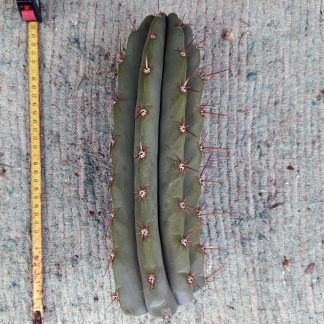

Trichocereus bridgesii cv. ‘Lumberjack’ × Trichocereus peruvianus cv. ‘Sharxx Blue’ | Unrooted Cutting | Exact Specimen FCES0001
€67.50 Add to basket -

Trichocereus peruvianus ‘Icaros DNA’ × Trichocereus cv. ‘Colossus’ | Live plant
€56.00 Add to basket -

Echinopsis hybrid cv. ‘Gossamer’ | Live plant
€7.50 Add to basket -

Trichocereus hybrid cv. ‘Imperialis’ | Live plant
€16.00 Add to basket -

Trichocereus pachanoi hybrid cv. ‘Schöne’ | ‘San Pedro’ | Live plant
10% OFF until 30 Nov Original price was: €48.00.€43.20Current price is: €43.20. Add to basket -

Echinopsis hybrid cv. ‘Gypsy’ × Echinopsis hybrid cv. ‘Pooka’ | Live plant
€10.00 Add to basket -
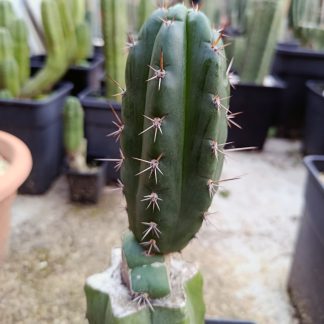
Trichocereus chalaensis × Trichocereus pachanoi f. monstrosa (on ‘Emilio’) | Grafted Plant | Exact Specimen FCES0003
€75.00 Add to basket -

Echinopsis hybrid cv. ‘Pooka’ | Live plant
10% OFF until 30 Nov Original price was: €7.50.€6.75Current price is: €6.75. Add to basket -

Echinopsis hybrid cv. ‘Romance’ | Robert Schick | Live plant
€6.00 Add to basket
Reviews
There are no reviews yet