
Trichocereus aff. coquimbanus | ‘Quisco Coquimbano’ | Live plant
€17.50
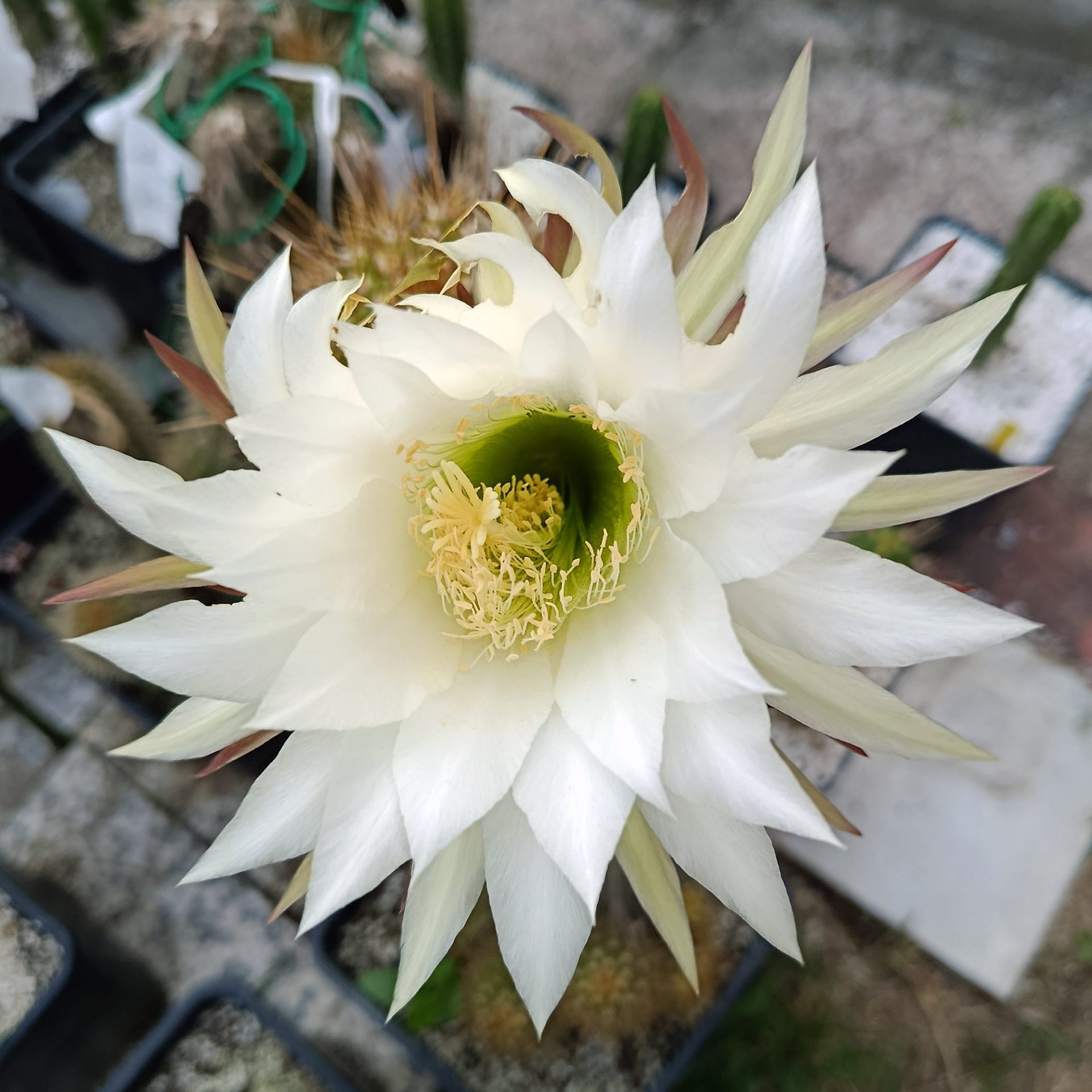
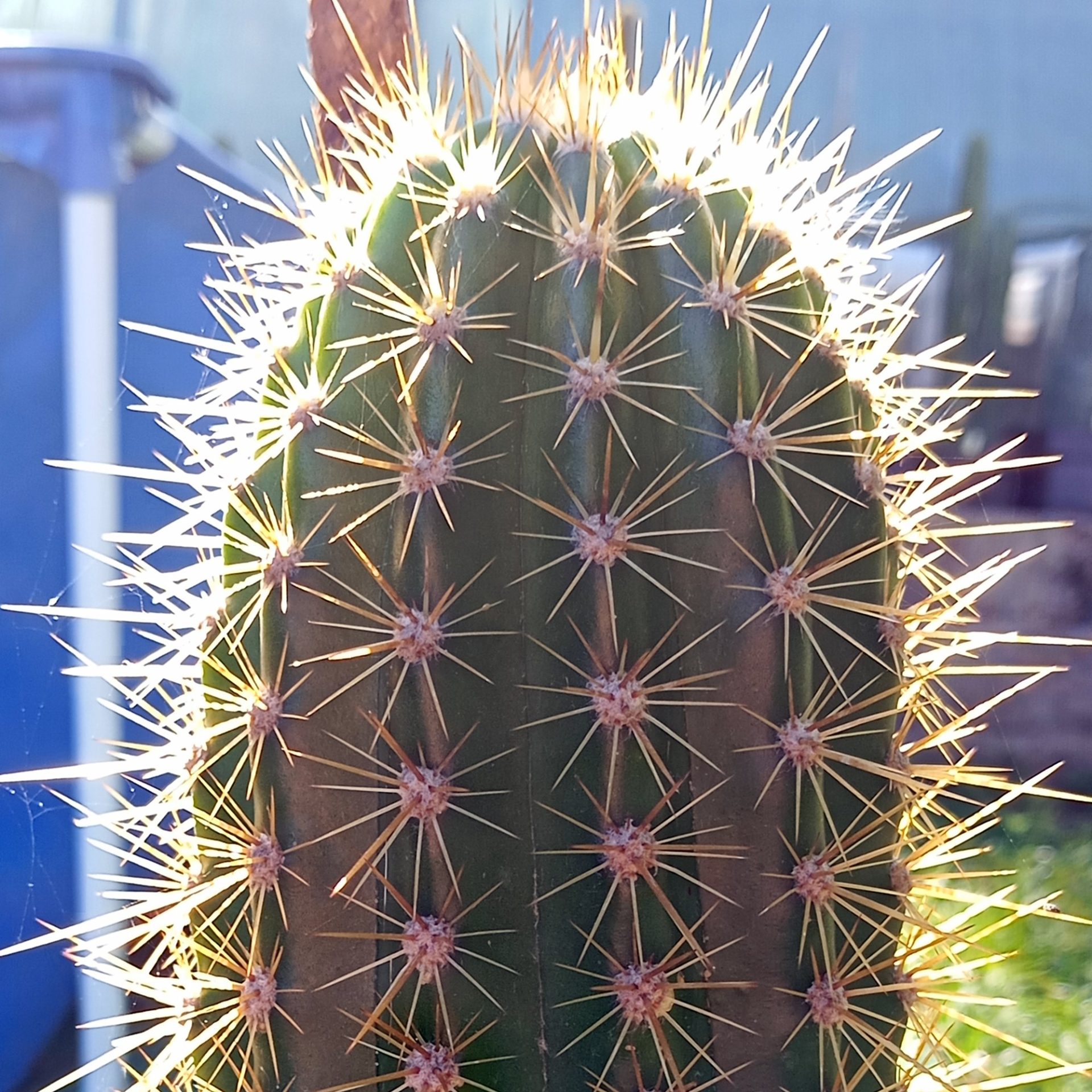
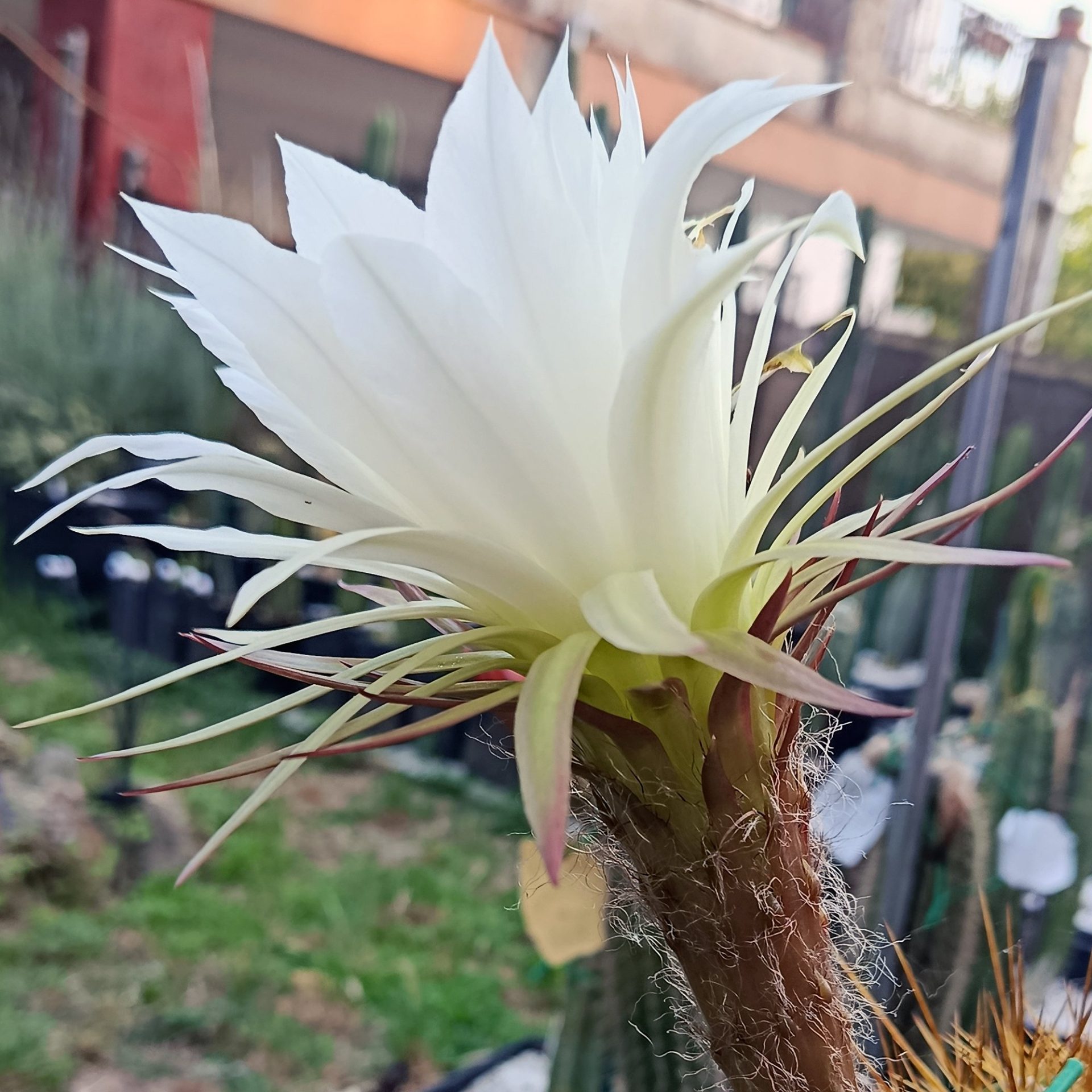
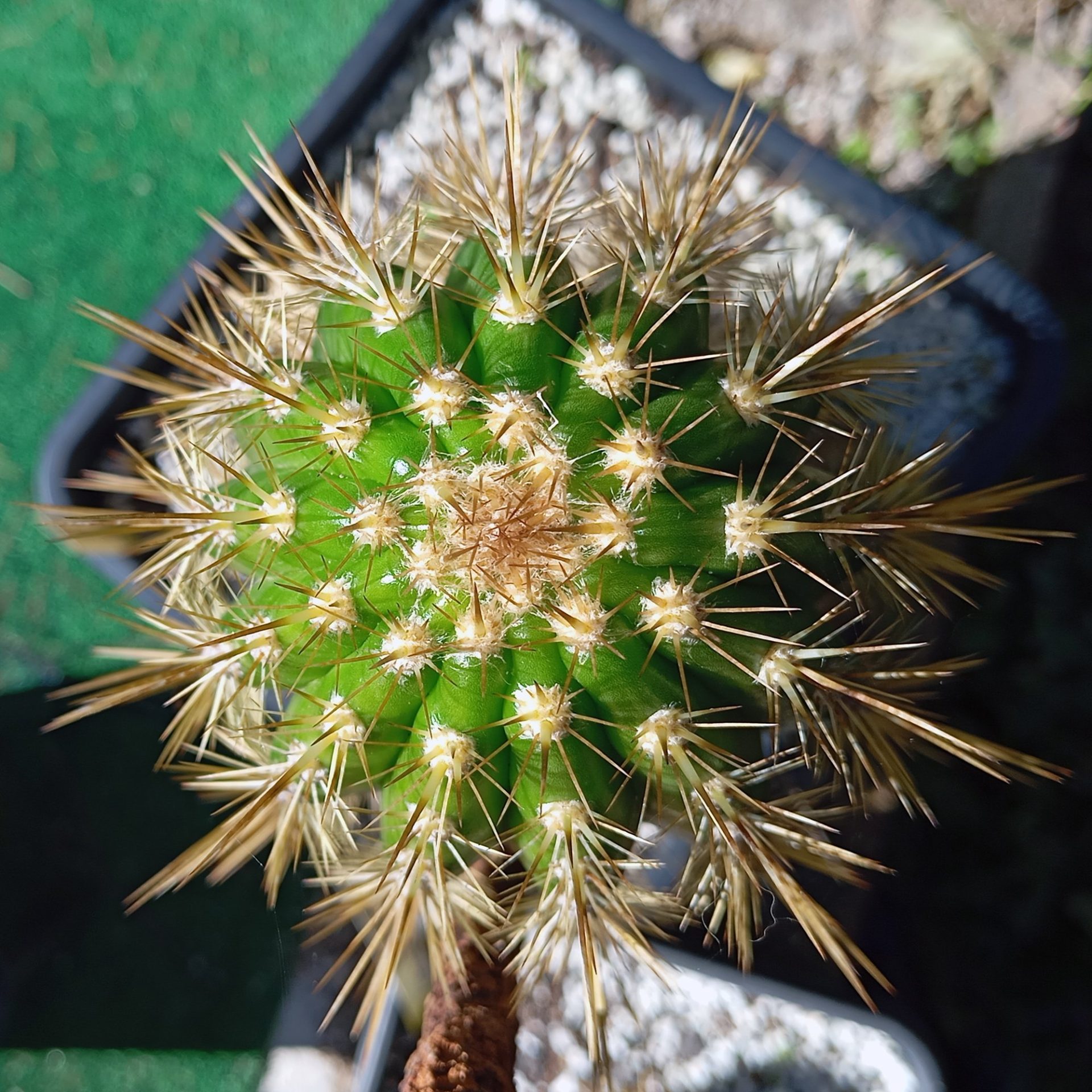
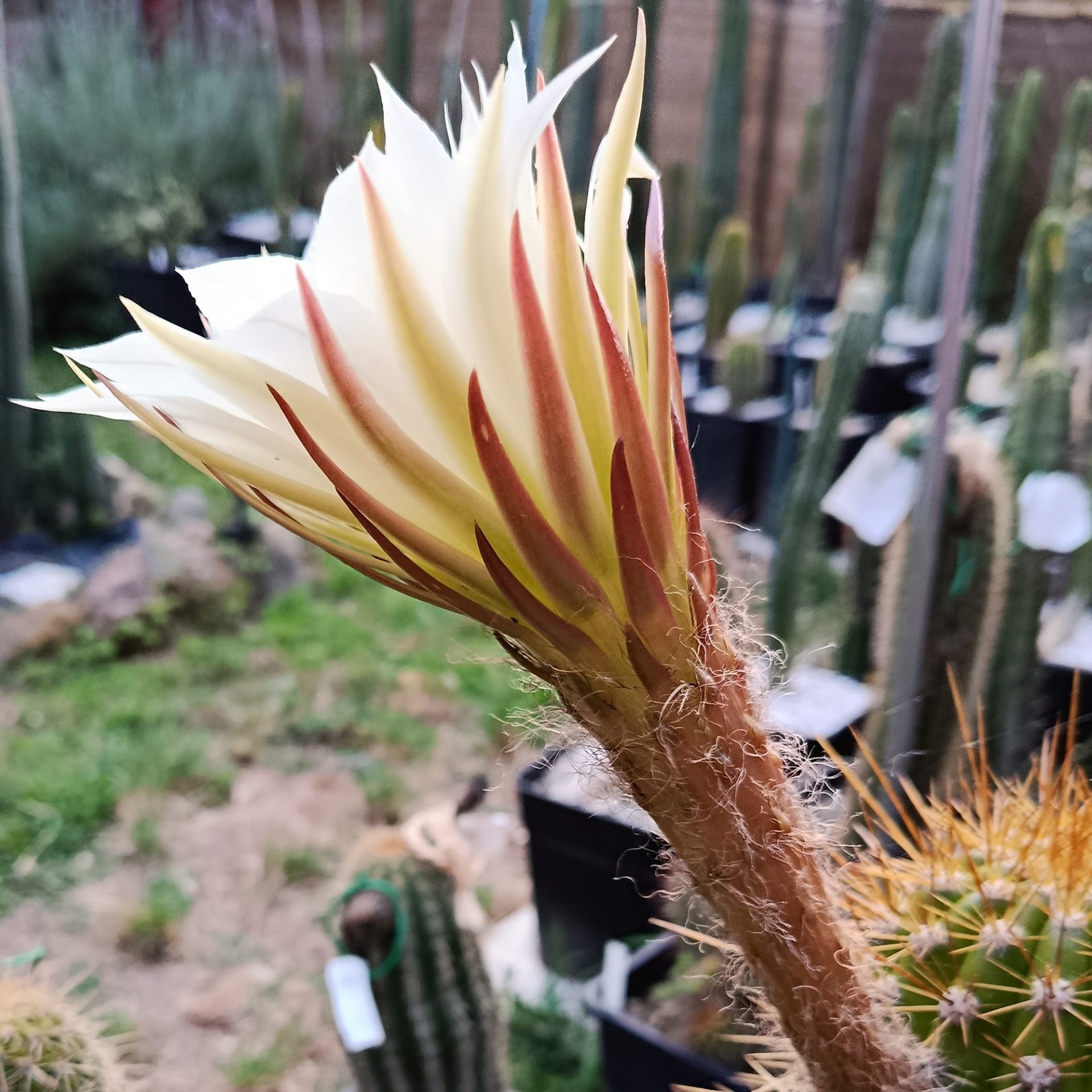
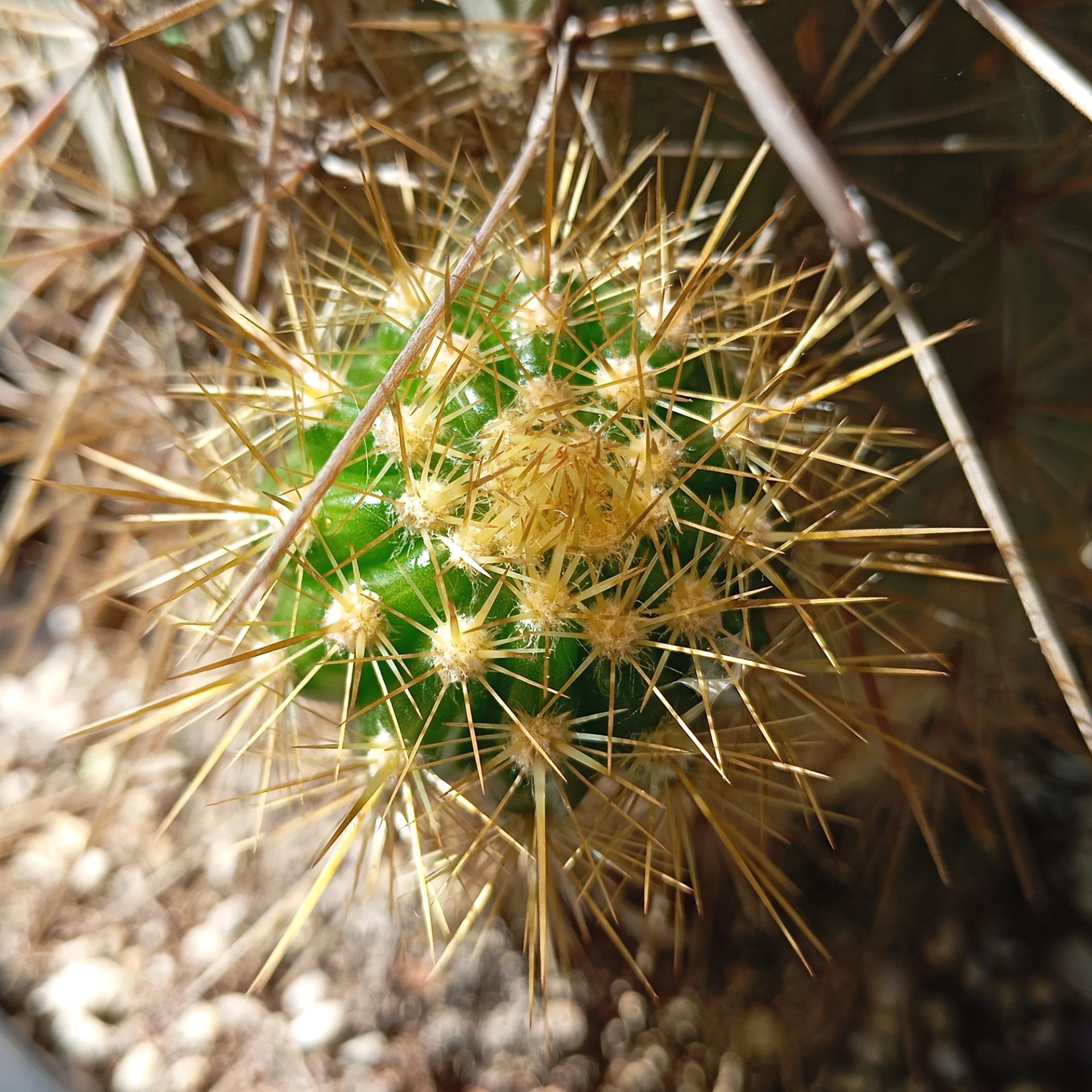
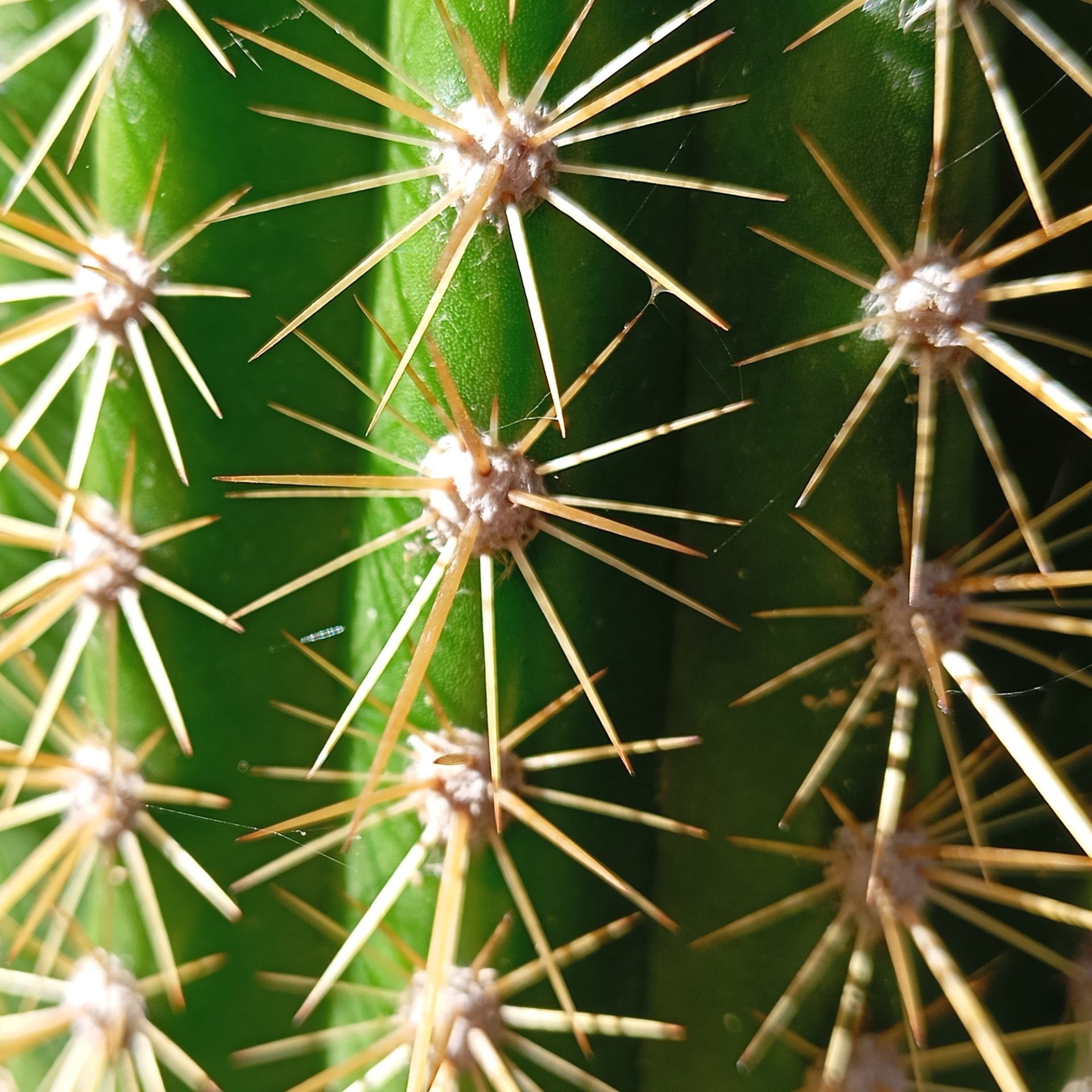
An unusual Trichocereus received from a private Spanish collector as T. aff. coquimbanus. As our plant has matured it has developed a striking resemblance to the various T. bertramianus plants in our collection. Now flowering and being used in our breeding programme, but retained under its original tentative identification pending stronger evidence. Live plant.
Plant photos are representative unless an exact specimen is specified. Want to see a particular available plant? Ask for current specimen photos.
Product Features
Trichocereus aff. coquimbanus is an interesting plant which we originally received from a private Spanish collector under the identification aff. coquimbanus. We have retained that supplied identity, but maturity has made the plant considerably more interesting taxonomically: its developed morphology appears much closer to the various Trichocereus bertramianus plants in our collection than we would expect from material associated with the Chilean coquimbanus complex.
For that reason, the “aff.” is important. It records an affinity or tentative identification rather than asserting that this plant has been botanically established as T. coquimbanus. We received it under that name and preserve the provenance, while our observations of the mature plant now give us reason to question the original identification.
As it has developed, the plant has produced the robust, strongly armed appearance we associate with our T. bertramianus material. Having several independently maintained bertramianus plants in the collection provides a useful living comparison, and the resemblance has become substantially more persuasive with maturity than it was when this plant was younger. We nevertheless do not consider visual similarity alone sufficient reason to rewrite its identity as T. bertramianus.
This distinction is especially significant because the two names point towards quite different South American cactus groups. T. bertramianus is Bolivian material now accepted within Echinopsis tarijensis subsp. bertramiana, whereas names historically associated with coquimbanus concern Chilean plants and have a complicated nomenclatural history of their own. Treating a mature morphological resemblance as proof of identity would therefore imply considerably more than our provenance actually supports.
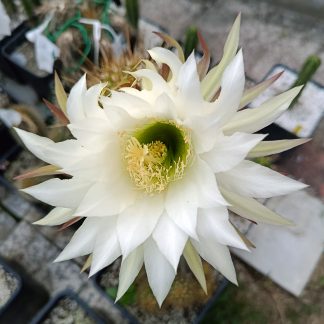
We have now flowered this plant for the first time and begun using it in our breeding programme. This adds a further reason to preserve its identity carefully: crosses made with it will retain the recorded aff. coquimbanus parent name so that their pedigree remains traceable, while our catalogue notes preserve the possibility that the plant may ultimately prove closer to T. bertramianus.
Its first flowering also gives us another set of characters with which to compare the plant against our established material. As it continues to mature and flower, we will be able to assess its stem architecture, armature and reproductive characters together rather than attempting to resolve an uncertain identification from juvenile appearance alone.
Collectors interested in the supplied identity can browse our Trichocereus coquimbanus species archive. We also maintain documented coquimbanus material such as Trichocereus coquimbanus ‘RCPB 223.01’, providing a useful contrast with this uncertain accession.
Because of the striking mature resemblance, our Trichocereus bertramianus species archive is equally relevant for comparison. We maintain several plants under that identity, allowing this accession to be assessed against a broader representation of bertramianus rather than against a single specimen.
Taxonomic note
This plant should presently be understood as Trichocereus aff. coquimbanus: material received under an identification suggesting affinity with T. coquimbanus, but whose exact identity remains unresolved. We deliberately retain that qualification rather than silently converting a tentative source identification into a definite species name.
The name coquimbanus itself has a particularly complicated history. Plants associated with that epithet have been interpreted in different ways, and current Kew treatment does not recognise a distinct accepted species named Trichocereus coquimbanus. Consequently, the historical name is most useful here as part of the provenance attached to this particular plant rather than as evidence of a securely established modern taxon.
Our mature plant now appears notably similar to Trichocereus bertramianus. That species is itself currently accepted by Kew as Echinopsis tarijensis subsp. bertramiana. The accepted taxon is native to Bolivia, which makes a reassignment significant rather than merely a change between synonymous names.
Until stronger evidence justifies such a change, we therefore preserve the plant as T. aff. coquimbanus while explicitly documenting its bertramianus-like mature morphology. This retains both pieces of useful information: what the plant was received as, and what we have subsequently observed ourselves.
Cultivation
Grow in a freely draining cactus substrate with plenty of light and good air movement. During active growth, water thoroughly and allow the substrate to dry substantially between waterings. Established plants respond well to regular feeding during the growing season and sufficient root space for strong development.
Strong light encourages compact growth and well-developed armature, although plants should be acclimatised gradually to intense direct sun. Reduce watering substantially as temperatures fall and keep considerably drier during cool winter conditions. Given the unresolved identity of this accession, we prefer not to infer a precise cold-hardiness threshold solely from the species name under which it was received.
Now that our plant has reached flowering maturity, good seasonal cultivation is also important for continued flower production and breeding. A cool, relatively dry winter followed by increasing water and nutrition as active growth resumes provides the seasonal cycle we use for mature flowering Trichocereus.
About Trichocereus
Trichocereus is at the heart of our collection, encompassing accepted botanical species, historical names, locality and accession material, cultivars, clones and an extensive range of hybrids. Plants with uncertain identities are useful when their uncertainty is documented rather than concealed: they can be grown to maturity, compared directly against other material and eventually contribute flowers and breeding observations that were unavailable when they were young. Explore our coquimbanus archive, bertramianus archive, South American Trichocereus collection or our complete Trichocereus collection.
Unless stated otherwise, plants ship bare-root to supported EU destinations. Outside our delivery area? Ask about seed-only orders or join our email list for shipping updates. Photos are representative unless an exact specimen is specified; ask for current specimen photos. Some plants are cut to order where noted. Save 10-35% automatically on qualifying live plants, with bonus seeds and at least one bonus cactus in every live plant order.
Product Details
| Product Type | |
|---|---|
| Amount | 1 rooted plant |
| Size | ~6 cm diameter, ~7 cm tall |
| Family | |
| Genus | |
| Species | |
| Form | |
| Flower | |
| Collection |
Only logged in customers who have purchased this product may leave a review.
You May Also Appreciate
-


Trichocereus atacamensis subsp. pasacana ‘TB 1099.3’ | ‘Cardón Grande’ | Live plant
10% OFF until 30 Nov Original price was: €18.00.€16.20Current price is: €16.20. Add to basket -
Trichocereus knuthianus | Live plant
€20.00 Add to basket -

Lophophora williamsii ‘RS 378’ | ‘Peyote’ | Live plant
€32.00 Add to basket -

Trichocereus cordobensis cv. ‘Helon’ | Australian Clone | Live plant
10% OFF until 30 Nov Original price was: €55.00.€49.50Current price is: €49.50. Add to basket -
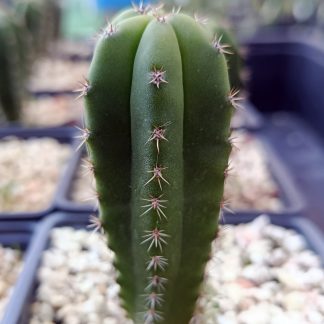
Trichocereus cordobensis | Live plant
€14.00 Add to basket -

Trichocereus faundezii ‘GM 1849’ | Live plant
From €21.00 Browse options This product has multiple variants. The options may be chosen on the product page -

Trichocereus atacamensis ‘TB 1320.2’ | ‘Cardón Grande’ | Live plant
€8.00 Add to basket -

Opuntia microdasys cv. ‘Rufida’ | ‘Mexican Bunny Ears Cactus’ | Live plant
€11.25 Add to basket -

Trichocereus rowleyi ‘P134’ (ex. var. pumila) | ‘Red Torch’ | Live plant
€18.00 Add to basket -

Trichocereus pachanoi cv. ‘Mujica’ | ‘San Pedro’ | Live plant
10% OFF until 30 Nov Original price was: €22.50.€20.25Current price is: €20.25. Add to basket -
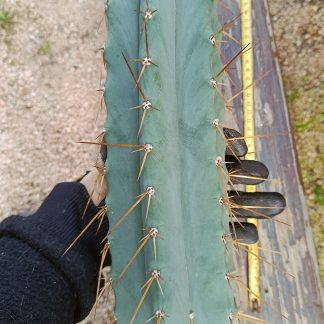
Trichocereus bridgesii cv. ‘Deutsche’ | Unrooted Cutting | Exact Specimen FCES0002
€66.00 Add to basket -

Trichocereus bridgesii f. semi-monstrosa cv. ‘RAP’ | ‘Monstrose Bolivian Torch’ | Live plant
10% OFF until 30 Nov Original price was: €81.00.€72.90Current price is: €72.90. Add to basket
Reviews
There are no reviews yet