


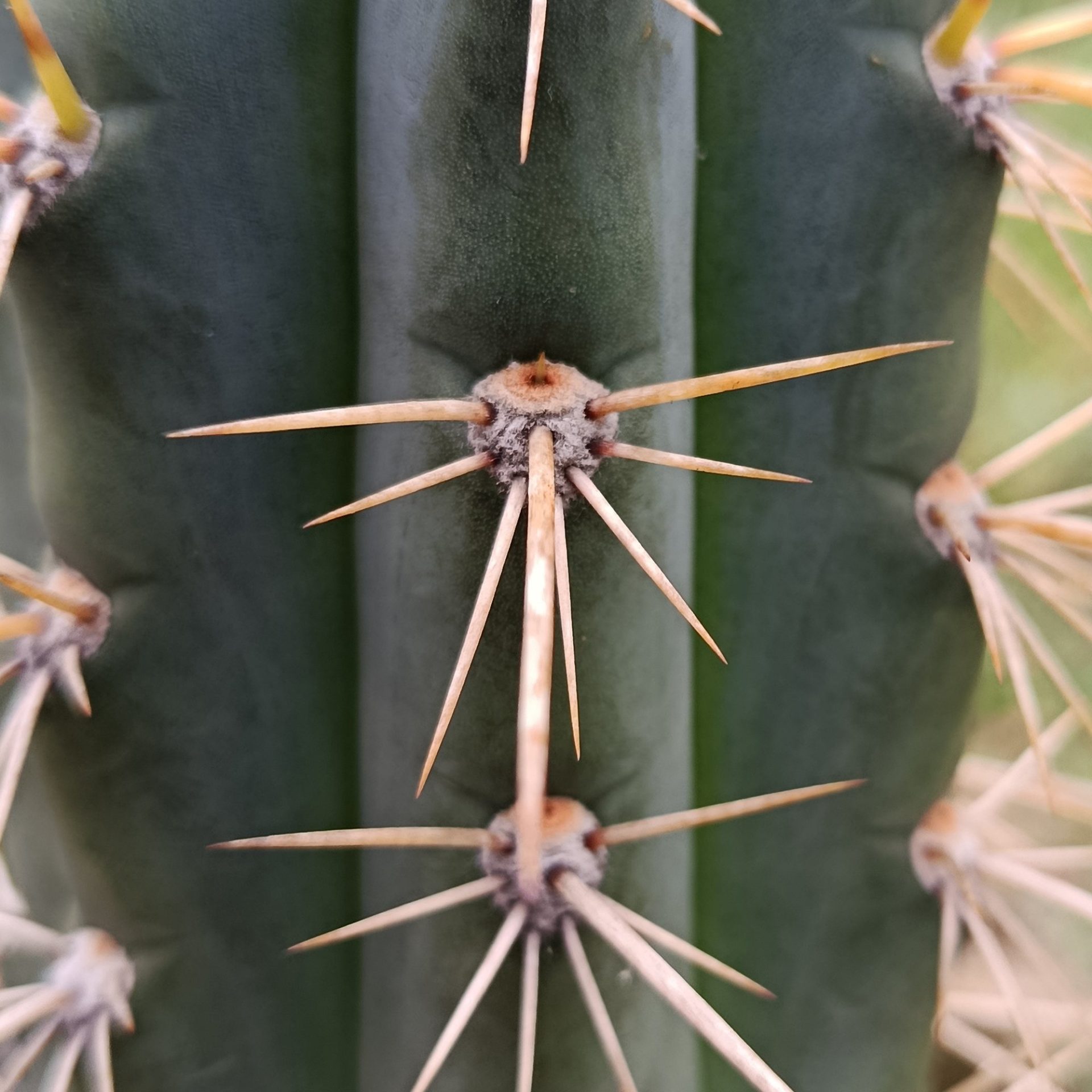
Trichocereus tarmaensis | ‘Peruvian Torch’ | Live plant
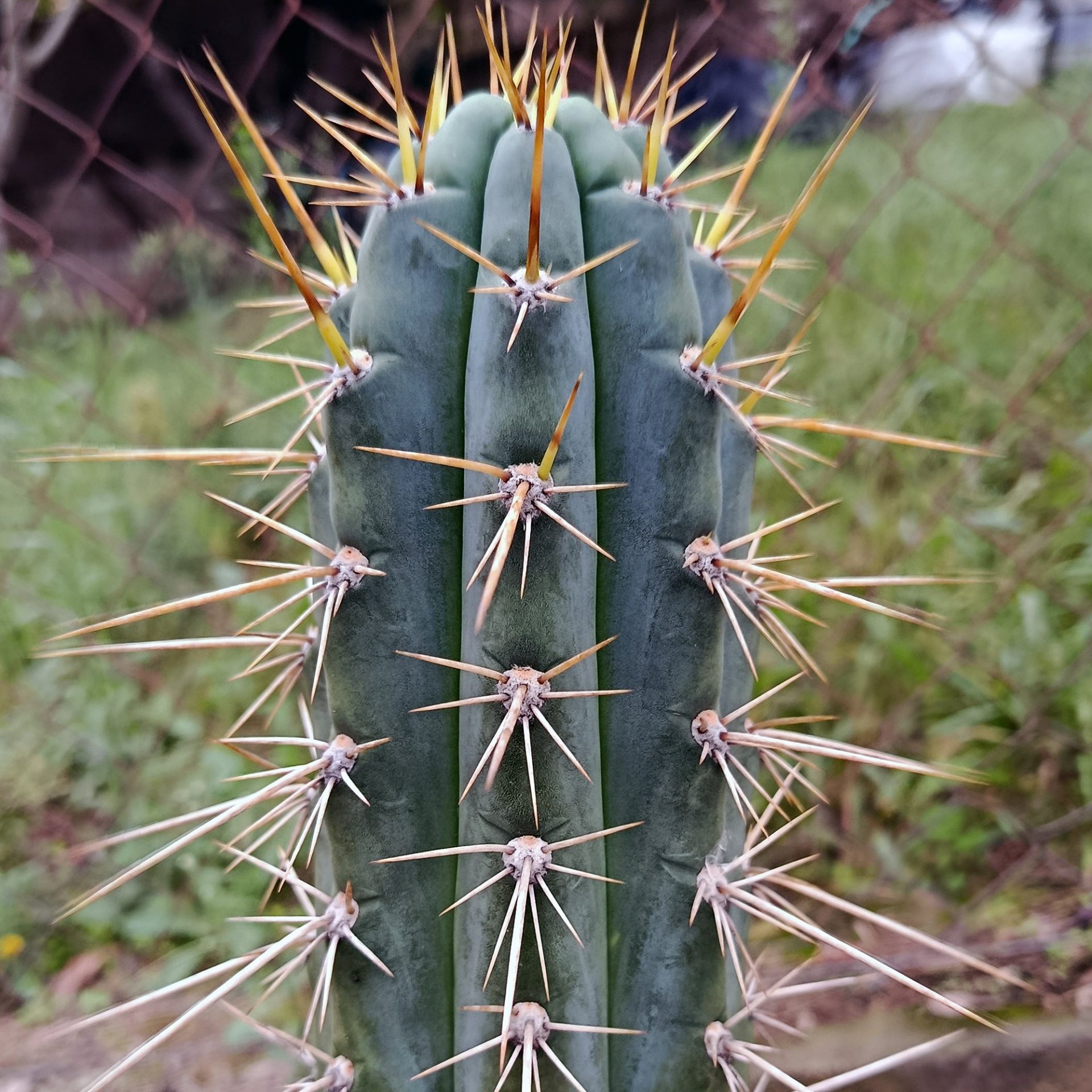
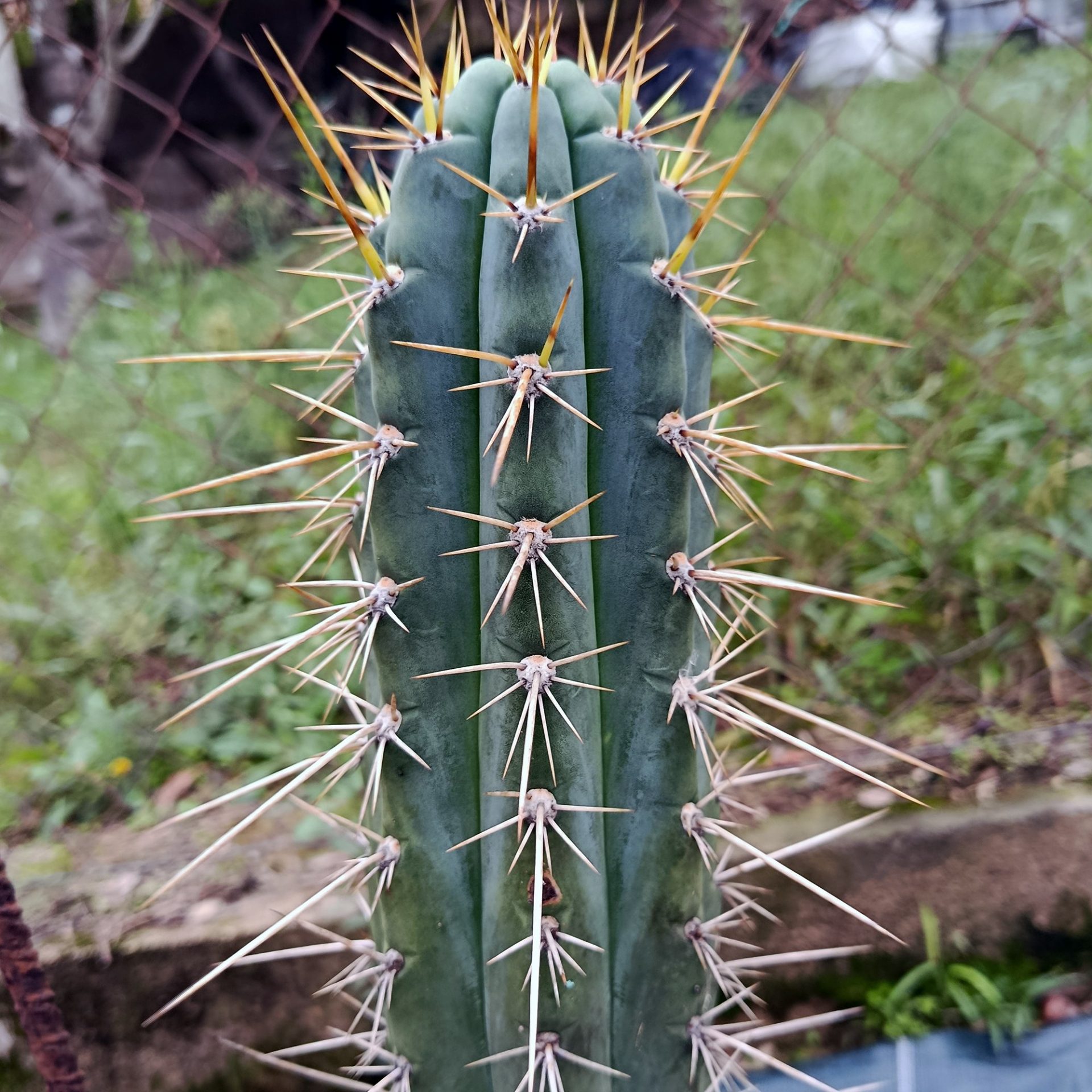
A rarely encountered Peruvian Trichocereus from the highlands of Junín, characterised by stout dark-green growth, rounded ribs, woolly areoles and formidable pale spination including occasional central spines approaching 10 cm long. Our current plants are vegetatively propagated from established T. tarmaensis mother plants in our collection.
Currently unavailable.
Product Features
Trichocereus tarmaensis is a distinctive high-altitude Peruvian species originally described from the Tarma area of Junín. Our current sale material is vegetatively propagated from established T. tarmaensis mother plants in our collection.
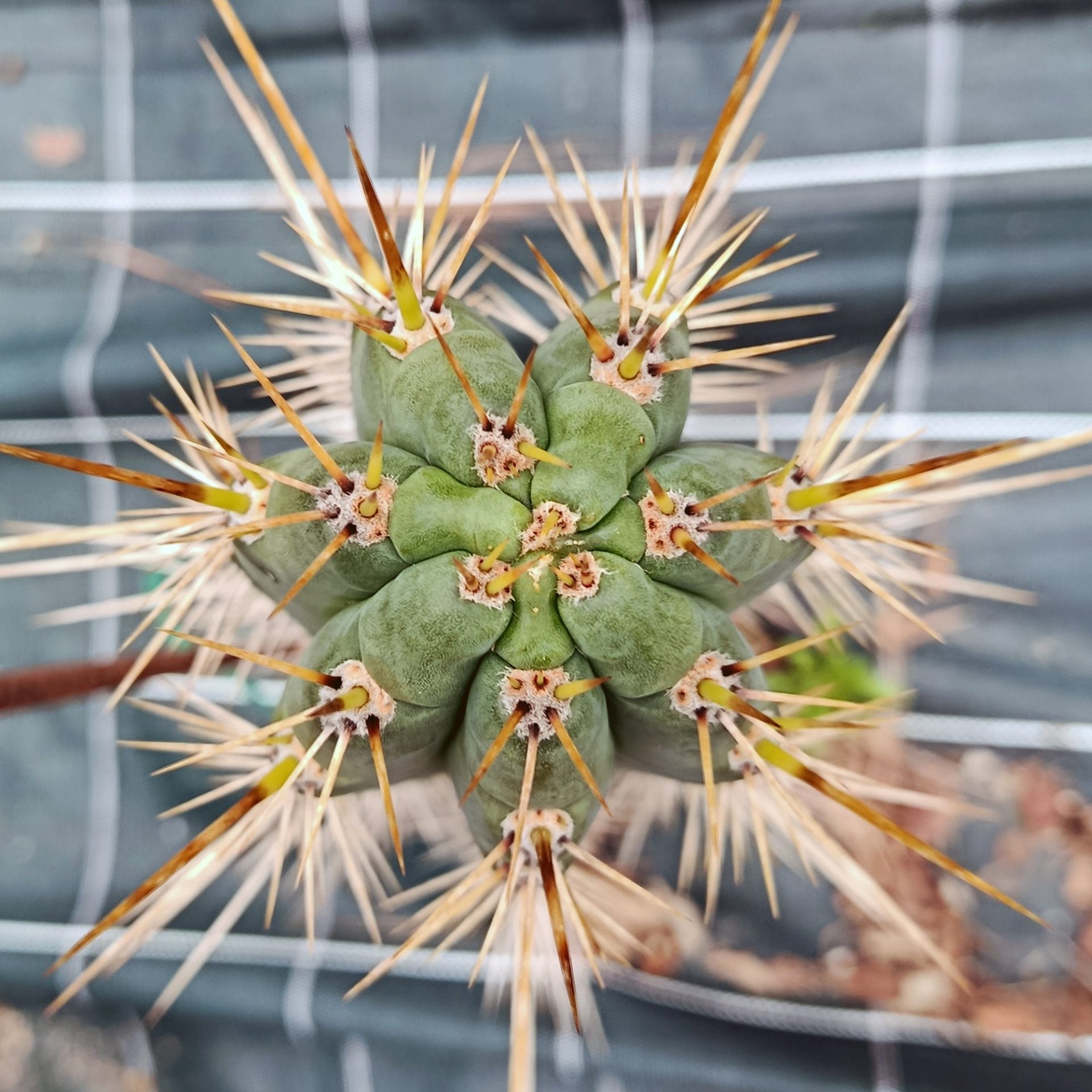
The species develops stout, dark-green columnar stems, branching particularly from the base and eventually reaching around two metres under favourable conditions. Mature stems are typically around 10–12 cm thick, with approximately eight broad, rounded ribs and conspicuous woolly areoles.
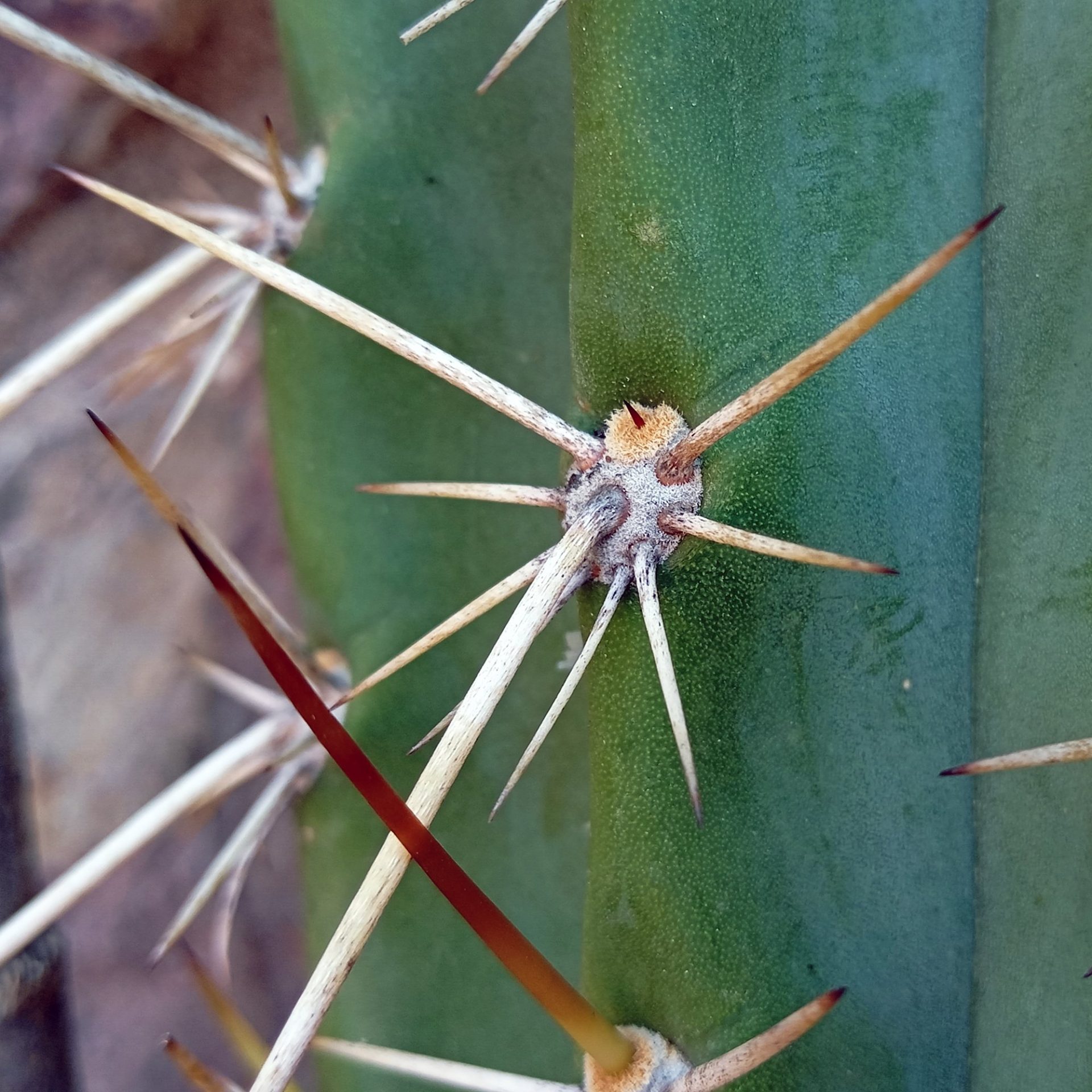
Spination is one of its most obvious characteristics. The areoles generally carry several pale ivory to greyish radial spines, together with a much stronger central spine that can reach around 10 cm in mature growth. Young areolar wool and fresh spines can have warmer brownish tones before ageing considerably paler, giving established plants a heavily armed appearance reminiscent of some forms within the broader cuzcoensis complex.
Mature plants produce large white flowers, often with pinkish colouring externally, followed by rounded fruit. The combination of stout growth, woolly areoles and particularly long central spines helps distinguish the horticultural tarmaensis material from many of the smoother and less heavily armed Peruvian Torch forms commonly encountered in cultivation.
The original species records place T. tarmaensis around Tarma at approximately 3000 m and also around Huachac, Huancayo, at roughly 3400 m in Junín. These high-elevation origins help explain its robust growth and strong armature, although cultivated plants should not automatically be assumed to derive from any particular documented wild collection unless accompanying provenance establishes that connection.
Taxonomic note: Trichocereus tarmaensis was described by Werner Rauh and Curt Backeberg and has also been known as Echinopsis tarmaensis. Plants of the World Online currently places both names in synonymy under Echinopsis cuzcoensis. We retain Trichocereus tarmaensis because it preserves the identity under which our material has been maintained and remains horticulturally useful for distinguishing this heavily spined Junín material from other plants in the wider cuzcoensis complex.
About Trichocereus tarmaensis
Trichocereus tarmaensis is one of several closely related Peruvian columnar cacti historically described from the central Andes. It is especially close horticulturally to T. cuzcoensis and T. tulhuayacensis, sharing stout growth and substantial spination but traditionally distinguished in part by its white rather than strongly pink or magenta flowers. Our tarmaensis catalogue archive brings together the material we currently maintain under this historic species identity.
Cultivation
Trichocereus tarmaensis grows well with abundant light, a freely draining but reasonably nutritious growing medium and regular water and feeding during active growth. Allow the compost to dry appropriately between waterings and reduce watering substantially during cool, low-light winter conditions. Our guide to caring for Trichocereus covers the general approach in considerably more detail.
Strong light encourages compact growth, sturdy ribs and robust spine development. Plants moved from shade, winter storage or a dark shipping box should be acclimatised gradually before exposure to intense direct sun. Its high-altitude ancestry does not make prolonged cold combined with saturated compost desirable, so we keep established plants substantially drier during winter.
Unless stated otherwise, plants ship bare-root to supported EU destinations. Outside our delivery area? Ask about seed-only orders or join our email list for shipping updates. Photos are representative unless an exact specimen is specified; ask for current specimen photos. Some plants are cut to order where noted. Save 10-35% automatically on qualifying live plants, with bonus seeds and at least one bonus cactus in every live plant order.
Product Details
| Product Type | |
|---|---|
| Amount | 1 unrooted cutting |
| Size | Size is added here when this item is in stock. |
| Family | |
| Genus | |
| Species | |
| Form | |
| Flower | |
| Collection |
Only logged in customers who have purchased this product may leave a review.
You May Also Appreciate
-


Trichocereus atacamensis ‘TB 1320.2’ | ‘Cardón Grande’ | Live plant
€8.00 Add to basket -

Trichocereus bridgesii f. semi-monstrosa cv. ‘RAP’ | ‘Monstrose Bolivian Torch’ | Live plant
10% OFF until 30 Nov Original price was: €81.00.€72.90Current price is: €72.90. Add to basket -
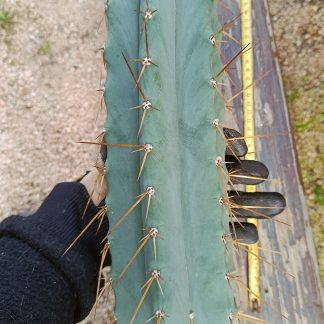
Trichocereus bridgesii cv. ‘Deutsche’ | Unrooted Cutting | Exact Specimen FCES0002
€66.00 Add to basket -
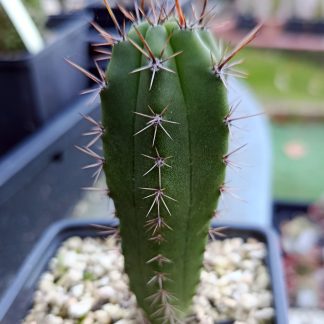
Trichocereus knuthianus | Live plant
€20.00 Add to basket -

Trichocereus pachanoi cv. ‘Mujica’ | ‘San Pedro’ | Live plant
10% OFF until 30 Nov Original price was: €22.50.€20.25Current price is: €20.25. Add to basket -
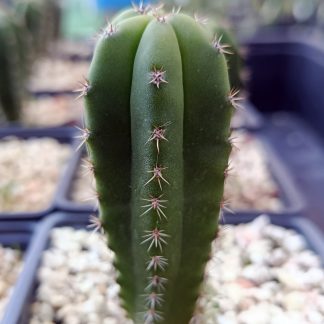
Trichocereus cordobensis | Live plant
€14.00 Add to basket -

Lophophora williamsii ‘RS 378’ | ‘Peyote’ | Live plant
€32.00 Add to basket -

Trichocereus atacamensis subsp. pasacana ‘TB 1099.3’ | ‘Cardón Grande’ | Live plant
10% OFF until 30 Nov Original price was: €18.00.€16.20Current price is: €16.20. Add to basket -

Trichocereus rowleyi ‘P134’ (ex. var. pumila) | ‘Red Torch’ | Live plant
€18.00 Add to basket -

Trichocereus faundezii ‘GM 1849’ | Live plant
From €21.00 Browse options This product has multiple variants. The options may be chosen on the product page -

Opuntia microdasys cv. ‘Rufida’ | ‘Mexican Bunny Ears Cactus’ | Live plant
€11.25 Add to basket -

Trichocereus cordobensis cv. ‘Helon’ | Australian Clone | Live plant
10% OFF until 30 Nov Original price was: €55.00.€49.50Current price is: €49.50. Add to basket
Reviews
There are no reviews yet