
Trichocereus cv. ‘SVBL’ / “santiaguensis v. boliviensis longispinus” | Live plant
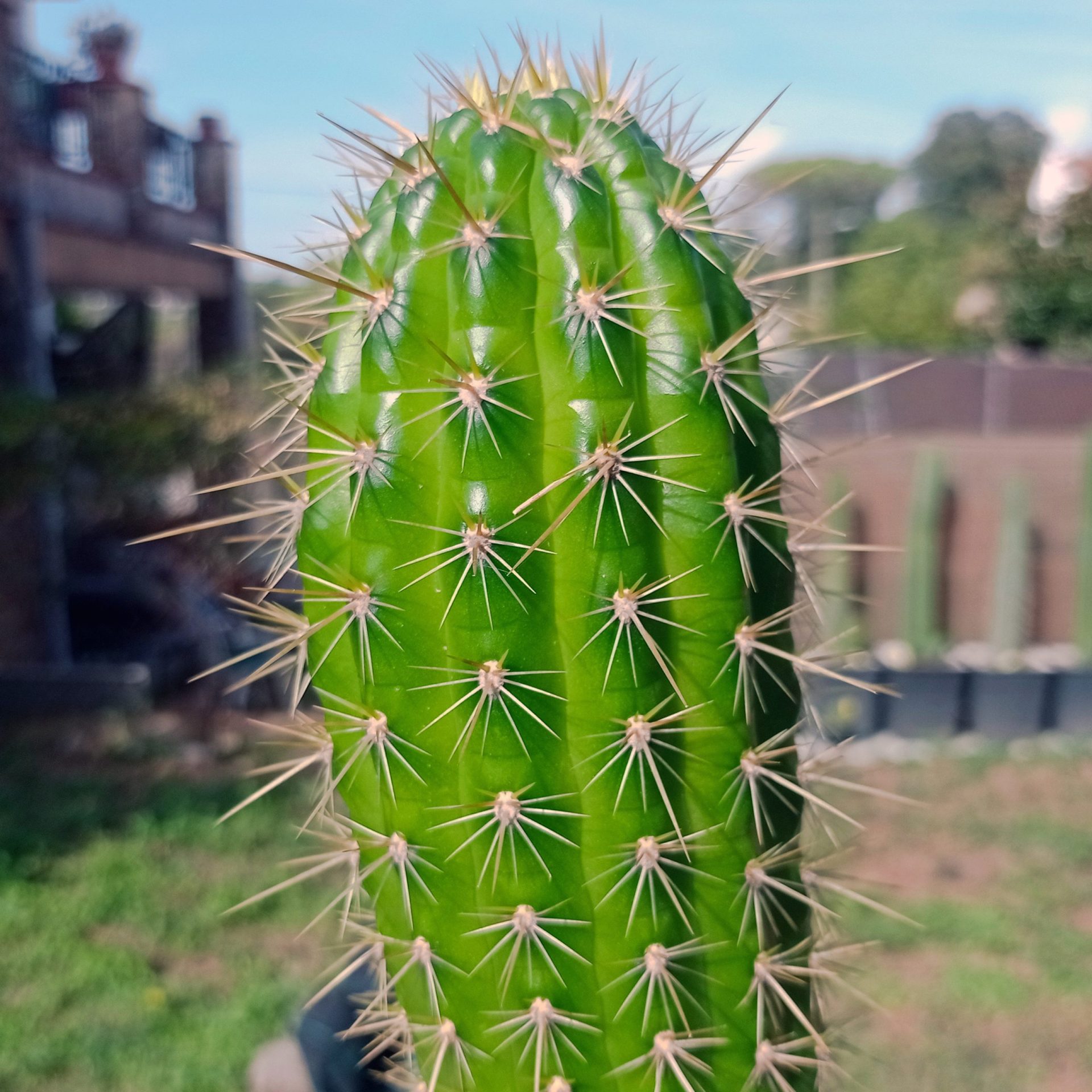
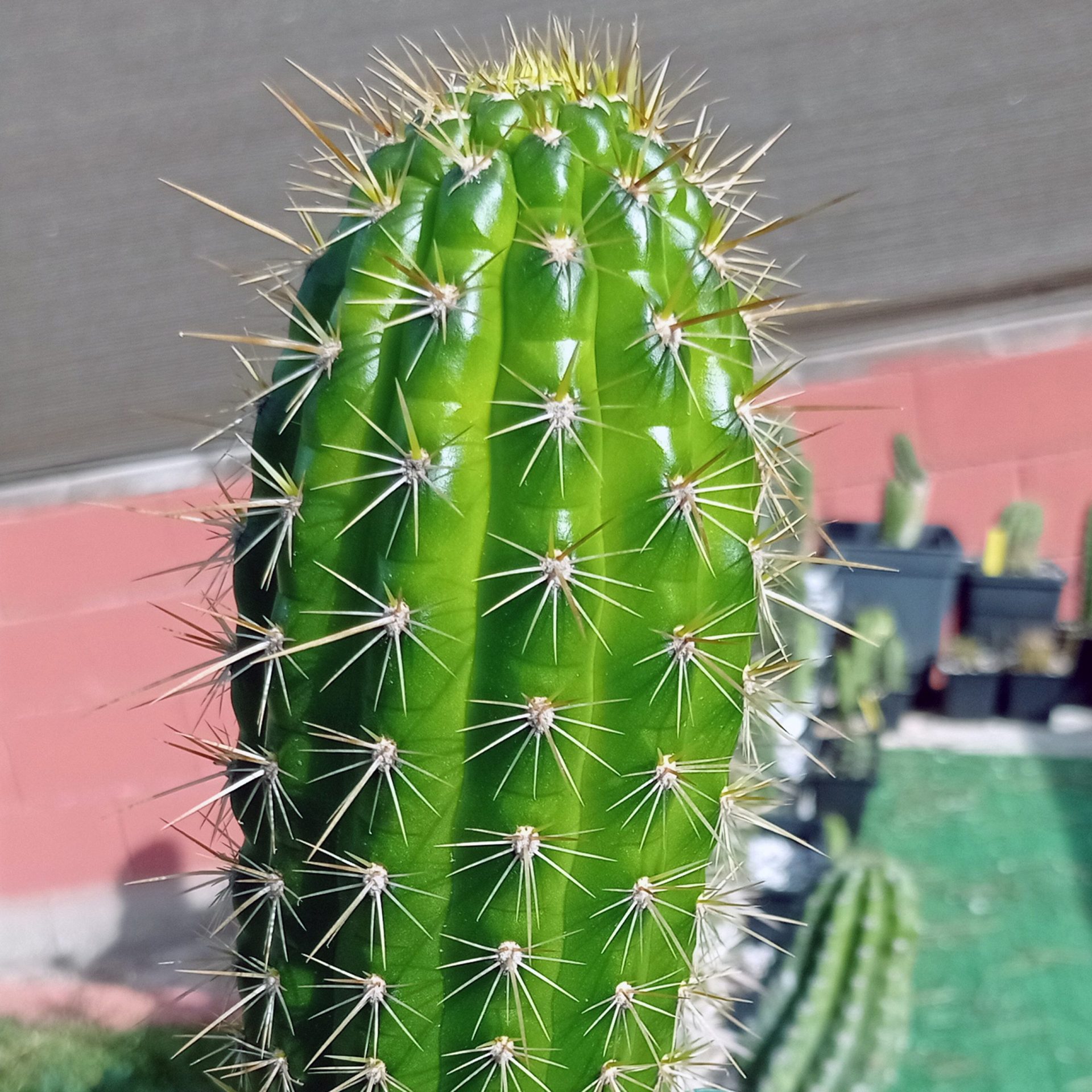
A distinctive Trichocereus clone that came to us under the unresolved label “Trichocereus santiaguensis var. boliviensis longispinus”. We later applied the name ‘SVBL’ simply to distinguish and track these genetics. Its strongly notched, textured growth differs markedly from the T. spachianus we grow and has reminded us more of the rarely encountered T. quadratiumbonatus, although its true identity remains uncertain.
Currently unavailable.
Product Features
Trichocereus cv. ‘SVBL’ is a distinctive clone that originally came to us from an eBay seller under the label “Trichocereus santiaguensis var. boliviensis longispinus”. The plant arrived without an established clone name; we later applied the abbreviation ‘SVBL’ simply so that we could distinguish and track these particular genetics within the Freaky Cacti collection. All plants offered under this listing are vegetative propagations of that original material.
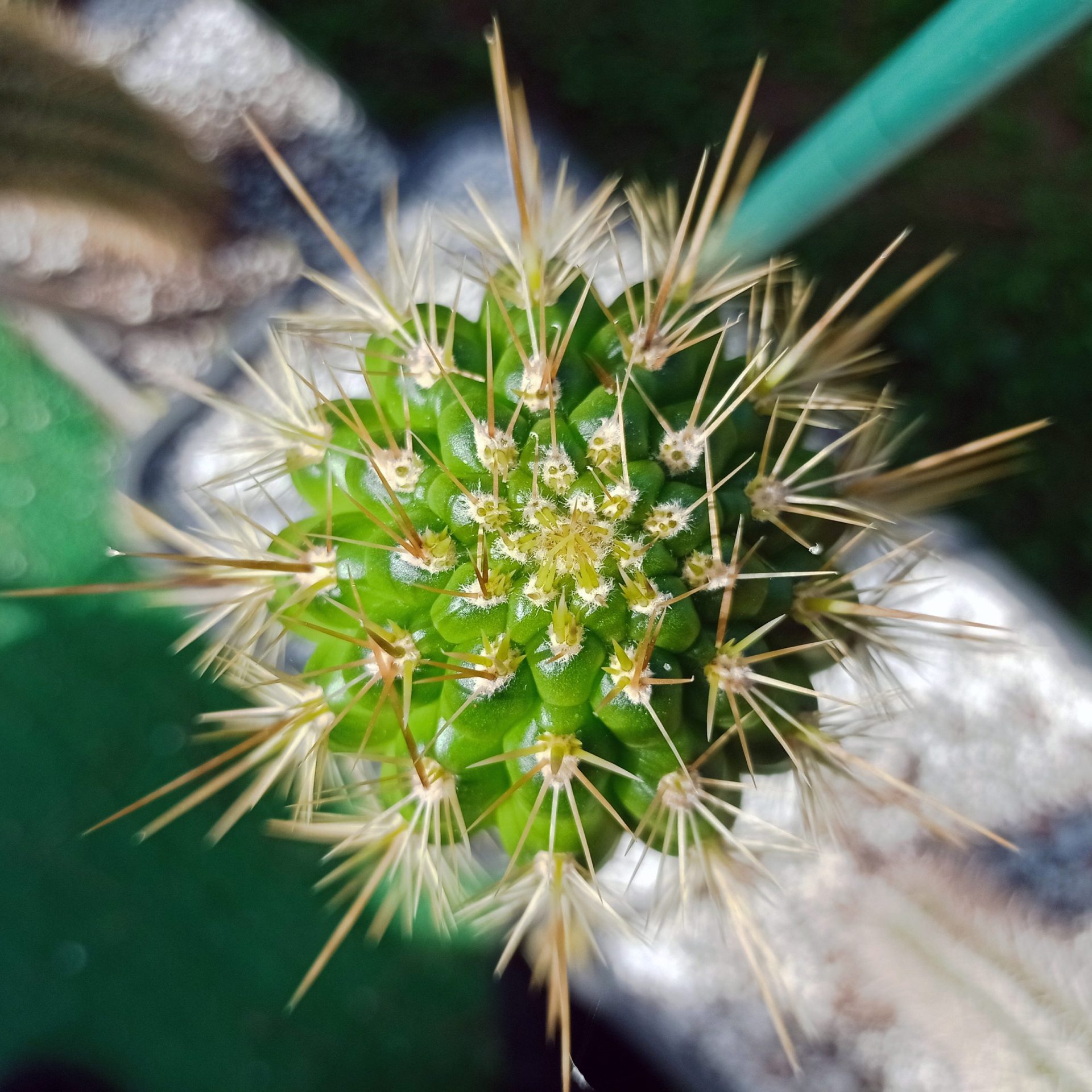
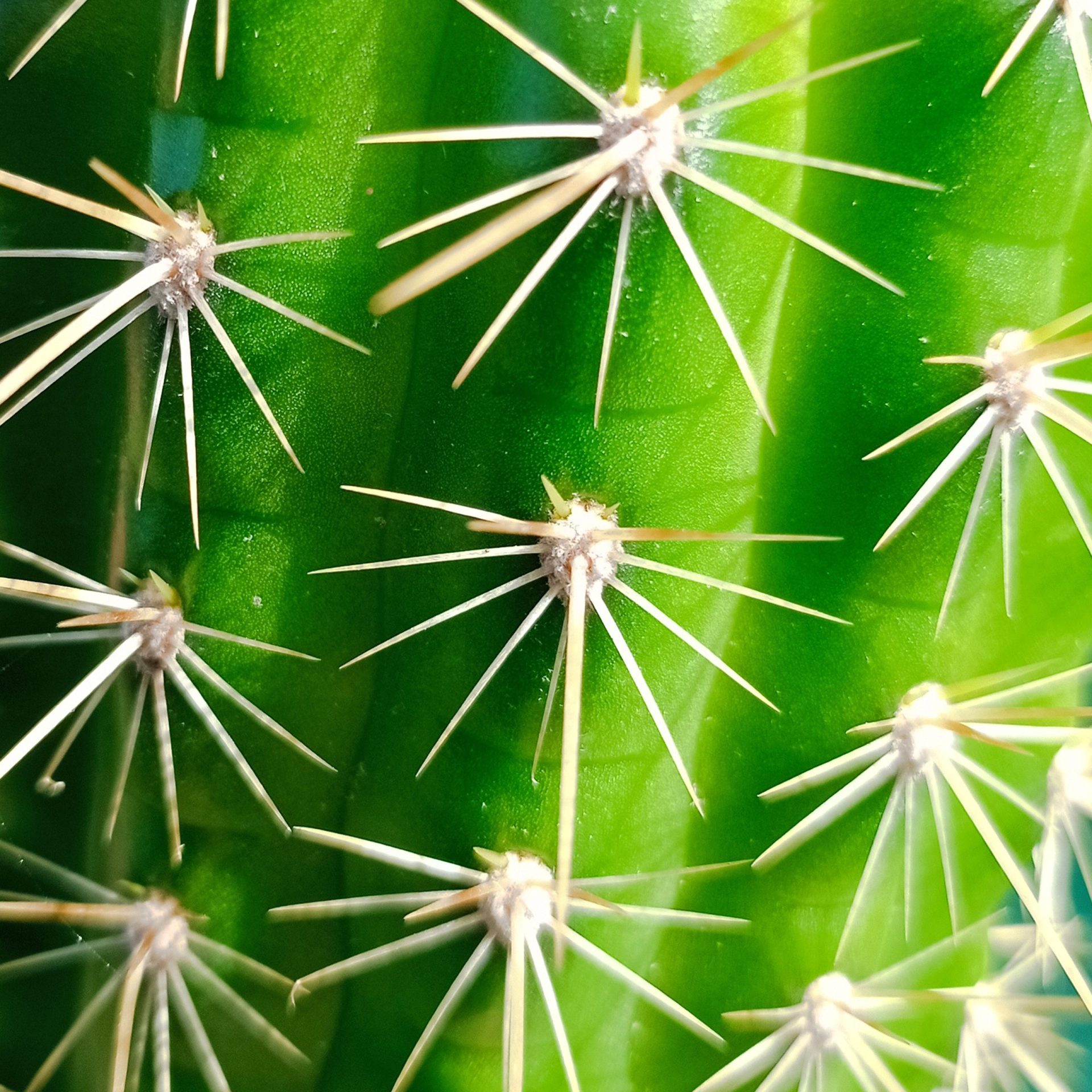
The clone develops vigorous green columnar growth with particularly conspicuous epidermal texture and strong notching along the ribs. Mature stems become increasingly sculpted, with raised, almost tuberculate sections between the areoles and pronounced transverse indentations that give the plant a character quite unlike the comparatively smooth-ribbed Trichocereus spachianus material we grow alongside it. Spination is prominent, while mature plants produce large white to whitish flowers.
We have compared ‘SVBL’ with a number of other plants maintained as T. spachianus and do not find that identification especially convincing for our material. Morphologically, the strongly divided and notched ribs remind us considerably more of the rarely encountered Bolivian species Trichocereus quadratiumbonatus. There are also aspects of the spination that have reminded us of Trichocereus caulescens. Neither comparison establishes the identity of the plant, however, and hybrid ancestry or another unresolved horticultural origin remains entirely possible.
We have used ‘SVBL’ as a breeding parent on a small number of occasions, which gives us another practical reason to preserve it as a distinct clonal identity regardless of its eventual botanical interpretation. Offspring should therefore be understood as carrying ‘SVBL’ genetics rather than as evidence for any particular species determination.
The inherited phrase “Trichocereus santiaguensis var. boliviensis longispinus” is retained as part of the plant’s provenance rather than treated as a securely established botanical name. We have not found a satisfactory published basis for the complete compound designation, and we do not know what the original seller intended by the boliviensis and longispinus elements.
Taxonomic note: Trichocereus santiaguensis is generally treated within Trichocereus spachianus (= Echinopsis spachiana), but that synonymy does not demonstrate that ‘SVBL’ itself is correctly identified as T. spachianus. Trichocereus quadratiumbonatus, with which our plant shares some superficial morphological similarities, is a separate Bolivian species currently also treated as Echinopsis quadratiumbonata. Until stronger provenance or botanical evidence becomes available, we prefer to leave ‘SVBL’ at genus level rather than force it into a species identity that we do not find convincing.
About ‘SVBL’
‘SVBL’ is therefore best understood as one established clonal genetic line of unresolved Trichocereus identity. The original “santiaguensis var. boliviensis longispinus” wording records how the plant reached us, while ‘SVBL’ is the practical name we subsequently gave that same genetic individual so that it could be tracked through propagation and breeding without pretending the inherited botanical identification was settled.
Cultivation
‘SVBL’ is vigorous and straightforward under the general conditions we use for other Trichocereus. Give it abundant light, a freely draining growing medium and regular water and feeding during active growth, allowing the compost to dry appropriately between waterings. Reduce watering substantially during cool, low-light winter conditions. Our guide to caring for Trichocereus covers the general approach in considerably more detail.
In our conditions the clone has proved resilient outdoors in southern Europe. Strong light encourages compact growth, pronounced rib structure and good spine development, although plants moved from shade, winter storage or a dark shipping box should be acclimatised gradually before exposure to intense direct sun. Avoid prolonged cold combined with saturated compost.
Unless stated otherwise, plants ship bare-root to supported EU destinations. Outside our delivery area? Ask about seed-only orders or join our email list for shipping updates. Photos are representative unless an exact specimen is specified; ask for current specimen photos. Some plants are cut to order where noted. Save 10-35% automatically on qualifying live plants, with bonus seeds and at least one bonus cactus in every live plant order.
Product Details
| Product Type | |
|---|---|
| Amount | 1 rooted plant |
| Size | Size is added here when this item is in stock. |
| Family | |
| Genus | |
| Species | |
| Clone/Variety/Cultivar | |
| Flower | |
| Collection |
Only logged in customers who have purchased this product may leave a review.
You May Also Appreciate
-


Trichocereus smrzianus ‘Campo Quijano, El Puyil’ | Live plant
€20.00 Add to basket -

Trichocereus atacamensis ‘TB 1320.2’ | ‘Cardón Grande’ | Live plant
€8.00 Add to basket -

Trichocereus cordobensis cv. ‘Helon’ | Australian Clone | Live plant
€55.00 Add to basket -

Trichocereus faundezii ‘GM 1849’ | Live plant
From €21.00 Browse options This product has multiple variants. The options may be chosen on the product page -

Trichocereus bridgesii f. semi-monstrosa cv. ‘RAP’ | ‘Monstrose Bolivian Torch’ | Live plant
10% OFF until 30 Nov Original price was: €81.00.€72.90Current price is: €72.90. Add to basket -

Trichocereus pachanoi cv. ‘Mujica’ | ‘San Pedro’ | Live plant
10% OFF until 30 Nov Original price was: €22.50.€20.25Current price is: €20.25. Add to basket -

Lophophora williamsii ‘RS 378’ | ‘Peyote’ | Live plant
€32.00 Add to basket -

Trichocereus atacamensis subsp. pasacana ‘TB 1099.3’ | ‘Cardón Grande’ | Live plant
10% OFF until 30 Nov Original price was: €18.00.€16.20Current price is: €16.20. Add to basket -

Trichocereus atacamensis subsp. pasacana ‘JN 1128’ | ‘Cardón Grande’ | Live plant
€21.00 Add to basket -

Opuntia microdasys cv. ‘Rufida’ | ‘Mexican Bunny Ears Cactus’ | Live plant
€11.25 Add to basket -
Trichocereus rowleyi ‘P134’ (ex. var. pumila) | ‘Red Torch’ | Live plant
€18.00 Add to basket -

Trichocereus knuthianus cv. ‘Fields’ | Live plant
€114.00 Add to basket
Reviews
There are no reviews yet